


Photovoltaic Cable Solutions for High Temperature Environments
The Middle East, Africa and Southeast Asia have become the most rapidly expanding markets for the global PV industry. Although these regions have abundant sunshine resources, they are also subject to harsh environmental conditions, including constant high temperatures, strong UV rays, frequent dust and sand, and high humidity. As the core connecting component of a photovoltaic system, the quality of the cables will directly determine the power generation efficiency and durability of the equipment. When exposed to extreme heat, conventional cables often experience accelerated deterioration of the insulation layer, increased oxidation of the metal conductor, and increased power transmission loss, which not only poses a potential safety risk, but also pushes up operation and maintenance expenses. In response to this special need, Pv Cables with excellent high temperature resistance characteristics become an important guarantee to ensure the stable operation of projects in tropical regions.
Challenges and Risks of High-temperature Environment
The impact of high-temperature environment on the cable is mainly reflected in the following aspects:
Extreme temperatures: the Middle East summer air temperature can reach more than 50 ℃, the surface temperature even more than 70 ℃, long-term high temperature to accelerate the softening of insulation materials and aging.
Ultraviolet light and sand are not a good combination. In desert areas, there is a lot of ultraviolet radiation. This can cause the cable sheath to crack, change color, and get scratched.
High humidity and mold: The insulation layer can absorb moisture easily in high temperatures and high humidity, like in Southeast Asia. This can reduce its effectiveness and even cause it to leak.
Things get bigger and smaller and are put under pressure over time. Large temperature differences between day and night or significant seasonal changes can cause cables to expand and contract a lot. This can easily result in loose joints or cracked sheaths.
These risks not only reduce the lifespan of the cables, but they can also cause the system to stop working and lead to safety accidents. This can reduce the overall profit of the PV power plant.
Technical solutions for High-temperature-resistant PV Cables
- Optimization of conductor materials
High-temperature cables usually use tinned copper and aluminum as the conductor. Tinned copper can resist oxidation, moisture, and salt spray. This helps prevent the joints from oxidizing and heating. Aluminum alloy conductors are great for large power stations on the ground because they are lightweight and cheap. But to make sure they are reliable, they need to be used with special terminals and anti-corrosion treatment.
- Insulation and sheath material upgrade
Cross-linked polyethylene (XLPE) :
- High temperature resistant: can work continuously at 125°C
- Weather resistant: excellent UV and aging resistance
- Scenario: the material of choice for photovoltaic projects in Middle East and Africa
Low Smoke Zero Halogen (LSZH) :
- Safe and environmentally friendly: minimal smoke and non-corrosive when burned
- Application: especially suitable for rooftop photovoltaic projects that emphasize safety and environmental protection.
Protection design:
- UV and water barrier protection
- Composite structure of UV coating and water barrier
- Optimized for high UV and high humidity environment
- Enhances the durability of cables in harsh climate.
- Structural design and mechanical performance enhancement
Multi-stranded conductor design improves flexibility and adapts to complex laying routes.
Thickened sheath or double-layer sheath to enhance abrasion resistance and mechanical impact resistance.
Combined with water-blocking tape or moisture-proof layer, it is especially suitable for Southeast Asia’s frequent rainy seasons and high humidity environments.
- Performance and life guarantee
High-temperature resistant PV cables are subject to a number of international standards, including IEC 62930, EN 50618, UL 4703 and TÜV 2PfG 1169/08.2007. These standards have strict requirements on the cable’s high temperature resistance, fire resistance, weather resistance and insulation performance.
Temperature resistance: It can be used at 125°C for a long time and can handle a temperature of 200°C for a short time.
Lifespan guarantee: It can withstand UV aging, salt spray, humidity, and heat cycles. It will last for more than 25 years.
System benefits: It keeps its resistance low at high temperatures, which reduces power losses and improves overall efficiency.
Regional Application Features and Cases
Middle East
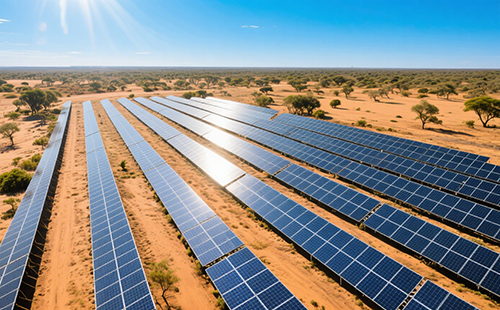
Features: High temperature + desert environment with strong UV radiation.
Solution: High-temperature resistant XLPE sheath, UV-resistant double-layer sheath and sandproof structure design.
Case: A 500MW ground power station in Saudi Arabia has operated for 5 years without major cable failures and reduced maintenance costs by 30%.
Africa
Characteristics: High UV intensity, big temperature difference between day and night in some areas.
Solution: Choose high anti-aging materials to ensure long-term stability of the sheath under high radiation conditions.
Case: Egyptian desert project, the cable has been certified by salt spray and high UV test, and meets the requirement of more than 25 years of life.
Southeast Asia
Features: It gets very hot and humid, and it rains a lot. It also tends to get damp and moldy.
Solution: The product has been designed to resist humidity and heat. It has a water-blocking layer and a moisture-proof design.
Case: A rooftop PV project in Vietnam showed that the insulation resistance stayed the same during operation without hydrolysis.
Purchasing and Installation Advice
Selection: Choose cables that can handle high temperatures and are made of the right materials for the project type (ground-mounted power plant/distributed rooftop) and laying method (buried/overhead/rooftop).
Supplier selection: Put manufacturers with international certifications, lots of experience exporting, and the ability to provide customized services at the top of your list.
Installation instructions: Avoid overstretching and sharp bends. Make sure you protect and fix your joints. This will help you avoid potential problems caused by mechanical stress.
Conclusions and Recommendations for Action
Photovoltaic projects in high-temperature regions require high-quality cables. By making improvements to conductors, insulation materials, and structural design, high-temperature-resistant PV cables can endure harsh weather conditions while also reducing operating and maintenance costs and prolonging the lifespan of the system. For EPC contractors and procurement managers, choosing the right high-temperature-resistant cables is a critical step in making sure they get their money’s worth and that the equipment works reliably over time.
Contact us for custom high-temperature cables and technical support for the Middle East, Africa, and Southeast Asia markets. This will help your PV project run efficiently and reliably.