


Why Choose 6mm Twin Solar Cable for Photovoltaic Systems?
Starting a solar project is exciting, but the technical weeds can get thick fast. For most businesses, the real headache is finding wiring that balances safety and efficiency with long-term durability. Cutting corners with undersized or low-grade cables isn’t just a performance issue—it leads to massive power loss and serious safety hazards. This can also lead to expensive repairs. This guide explains how to select, install, and maintain the correct cables, focusing on the robust 6mm twin solar cable, to build a reliable and high-performing photovoltaic system.
Understanding Solar Cables – The Basics
Solar cables are specialised wires designed for use in photovoltaic applications.
- Choose cables that are built to withstand UV radiation, extreme temperatures, and weather.
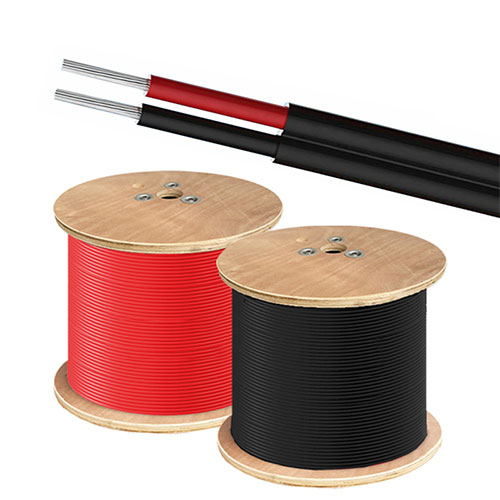
- Select a twin core solar cable to combine positive and negative conductors in one sheath.
- Utilize this design to simplify installation and ensure safe, organized power transfer from solar panels to other components.
The Role of PV Cable in a Solar Power System
PV cable is the critical link that carries generated electricity.
- It transports DC power from solar panels to the inverter.
- High-quality insulation protects against environmental damage and prevents energy loss.
- Proper solar cable selection is essential for system safety and performance.
Why Cable Thickness Matters – The 6mm Advantage
Cable thickness, or cross-sectional area, directly impacts performance.
- Select a 6mm solar cable for its larger conductor area compared to common 4mm cables.
- Reduce electrical resistance with this larger area to minimize power loss as heat.
- Prioritize this reduction in loss for any system where panels are more than a few meters from the inverter.
- Choose the 6mm twin core solar cable as the optimal balance of cost and efficiency for residential setups.
Technical Benefits of Twin Core Solar Cable Design
The twin core construction offers distinct technical benefits.
- It guarantees consistent spacing between positive and negative conductors.
- This controlled spacing helps reduce electromagnetic interference.
- It creates a neater, more manageable installation compared to two separate single-core cables.
- The unified sheath provides an extra layer of mechanical protection for both conductors.
Key Advantages of 6mm Twin Solar Cable
The 6mm twin core solar cable is a preferred choice for many residential and commercial systems due to its balanced capabilities.
- Higher Current Capacity: It can safely handle more current than smaller cables, like 4mm versions.
- Reduced Voltage Drop: Over longer distances, it maintains efficiency by minimizing power loss.
- Future-Proofing: Offers headroom for potential system expansion.
- Durability: Its robust construction meets the harsh demands of outdoor PV system use.
Typical Applications of 6mm Twin Core Solar Cable
This specific cable is versatile within a solar power system.
- Panel String Connections: Ideal for linking groups of solar panels in series.
- Longer Array Runs: Perfect for runs over 10 meters to the inverter.
- Battery Bank Links: Suitable for connecting battery banks in off-grid setups.
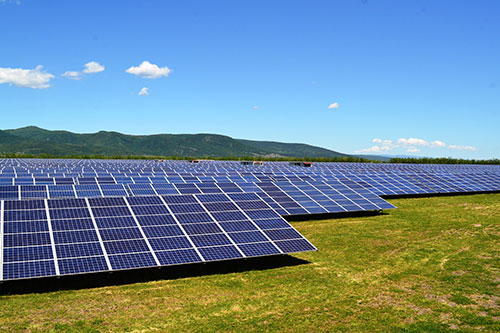
- Ground-Mounted Systems: Excellent durability for direct burial or conduit use.
Essential Features of a High-Quality Twin Core Solar Cable
Not all cables are equal. Look for these features in a twin core cable.
- Tinned Copper Conductors: Resist corrosion for long-term reliability.
- XLPO Insulation: Offers excellent protection against heat, UV rays, and weather.
- Certifications: Ensure compliance with standards like TÜV or UL for safety.
- Flexibility: Makes installation easier around racks and structures.
6mm vs. 4mm Twin Core Solar Cable – Practical Comparison
Choosing the right size is crucial. Here is a comparison to guide your decision.
|
Feature |
6mm Twin Core Solar Cable |
4mm Twin Core Cable |
|
Current Capacity |
Higher (approx. 50-55A) |
Lower (approx. 40-45A) |
|
Best For |
Medium to large systems, longer runs |
Smaller systems, very short runs |
|
Voltage Drop |
Lower over distance |
Higher over distance |
|
Cost |
Higher |
More economical |
|
Application |
Main strings, longer inter-panel links |
Short connections within a small array |
Selecting the Right Connectors for 6mm Solar Cable
Reliable connectors are as important as the solar cable itself.
- Use certified, weather-sealed connectors like MC4.
- Ensure they are compatible with your chosen 6mm solar cable.
- Properly crimped connections prevent arcing, heat, and power loss.
- Always use the correct crimping tool for a permanent, secure connection.
Step-by-Step Solar Cable Selection Guide
Follow these steps to select the right solar PV wiring.
- Calculate Total Current: Determine the maximum current your array will produce.
- Measure Run Length: Account for the total distance from panels to inverter.
- Check Local Codes: Adhere to electrical regulations and required safety factors.
- Prioritize Quality: Always choose certified, solar-specific PV cable over generic wire.
- Consult a Sizing Chart: Use online calculators or charts to confirm 6mm twin core solar cable is suitable.
Installation Guidelines for Optimal Performance
Correct handling extends the life of your 6mm twin solar cable.
- Avoid Sharp Bends: Maintain a gentle bending radius to prevent internal damage.
- Secure Properly: Use UV-resistant clips to fasten cables without pinching.
- Protect from Hazards: Route cables away from sharp edges and potential abrasion.
- Label Connections: Clearly mark positive and negative ends to avoid errors.
- Use Conduit Where Needed: In high-risk areas, add an extra layer of physical protection.
Maintenance Tips for Long-Term Reliability
Protect your investment with simple, regular checks.
- Annual Visual Inspections: Look for cracking, fading, or animal damage on the cable sheath.
- Check Connection Integrity: Ensure all terminals and connectors are tight and free of corrosion.
- Monitor Performance: A sudden drop in system output can indicate cable issues.
- Keep Clean: Remove debris or vegetation that could trap moisture against the PV cable.
- Document Your Setup: Keep a wiring diagram for future troubleshooting or expansion.
Conclusion
Investing in the right 6mm twin solar cable is a fundamental step for a safe, efficient, and durable photovoltaic system. It minimises energy loss, withstands environmental stress and ensures a reliable power supply for years to come. Focusing on certified quality, correct sizing and careful installation builds a solid foundation for your solar investment. Proper cables are not just a component; they are the lifeline of your entire solar power system.