


What Size Earth Cable for Solar Systems
Installing a solar power system is a good financial choice. However, the safety and long-term function of the system rely on the Earth Cable, a part that people often forget. This wire is essential because it protects you and your hardware from electrical faults and power surges. Using an incorrect cable can cause system breakdowns, safety risks, and high repair costs. Before selection, it is essential to review your solar system’s specifications, particularly the inverter’s maximum fault current rating and the total system voltage. This guide explains how to pick, install, and look after the right earth cable for your solar equipment to ensure it remains safe, efficient, and follows legal rules.
Understanding Earth Cables in Solar Systems
What Is an Earth Cable?
Also known as a grounding wire, an earth cable is a fundamental safety component in any electrical installation. It is specifically designed for protective earthing. It provides a safe path for electrical current to flow into the ground during a fault. In a solar system, it connects metal parts like panel frames and inverter casings to an earth rod.
- Function: Prevents dangerous voltage build-up on equipment surfaces.
- Purpose: Its primary role is to protect people from electric shock and prevent equipment damage.
- Distinction: Different from a live or neutral wire; it only carries current under fault conditions to trigger safety disconnection.
Why It’s Non-Negotiable for Solar
In solar installations, earth cables are critical for mandatory safety and performance.
- Surge Protection: Safeguard against lightning strikes or power surges from the grid.
- System Stability: Ensure stability by preventing stray or “noise” voltages that can disrupt inverter operation and data monitoring.
- Code Compliance: They are a mandatory requirement for all electrical safety codes and standards, and are essential for obtaining system approval and insurance coverage.
- Fire Prevention: A proper earth path prevents overheating at fault points, significantly reducing fire risk.
Key Selection Factors: Material and Size
For reliable earth cable performance, material choice is fundamental.
- Optimal Conductor: Copper cable is the superior choice due to its excellent conductivity and corrosion resistance.
- Insulation Importance: The PVC insulation must be sunlight-resistant (UV stabilized), durable, and rated for outdoor or burial use (such as XLPOor specially formulated PVC) to protect the conductor from environmental degradation.
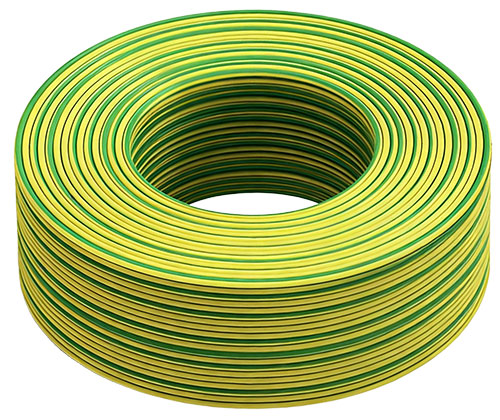
- Color Coding: In most regions, the earth cable insulation is green, or green with a yellow stripe, for instant identification, a critical factor during installation and maintenance.
Determining the Correct Cable Size
Selecting the right cable size is a technical necessity to ensure safety.
- Prevent Overheating: A cable that is too small cannot safely carry fault currents and will overheat, potentially melting the insulation and causing a fire or system failure.
- Calculate for Voltage Drop: The size must account for the distance to limit voltage drop, ensuring effective fault clearance so that protective devices trip quickly.
- Follow Regulations: Always consult local wiring regulations for the minimum required size based on your system’s current capacity and the type of protective device (fuse or circuit breaker) used.
- Check System Specs: Refer to your solar inverter and combiner box manuals for specific fault current and grounding conductor requirements, as these directly dictate the minimum earth cable size.
|
System Size (kW) |
Minimum Recommended Earth Cable Size (Copper) |
Key Consideration |
|
Up to 5 kW |
6 mm2 |
Standard for small rooftop arrays. |
|
5 kW to 10 kW |
10 mm2 |
Handles higher potential fault currents. |
|
10 kW+ |
16 mm2 or larger |
Required for commercial or large residential systems. Always consult an engineer. |
Note: This table is a general guide. Always follow your local national and electrical codes.
Installation and Performance
Best Practices for Cable Installation
Proper cable installation directly impacts safety and longevity.
- Secure Routing: Route cables away from sharp edges, heat sources, and areas prone to physical damage, using secure clips, conduit, or trunking for protection.
- Solid Connections: Ensure all terminals are tight, clean, and corrosion-free, using appropriate lugs or crimps to maintain low-resistance path.
- Continuity: The earth cable must be a continuous, unbroken link from all equipment to the grounding rod; all joints must be electrically sound and accessible for inspection.
- Separation: Where possible, keep AC and DC earth cables separated to prevent induced interference, following specific guidelines for your inverter type.
Maintaining Cable Performance
·Long-term cable performance requires proactive maintenance.
- Regular Inspection: Visually check for damaged PVC insulation, corrosion at connection points, or loose terminations at least annually, and after extreme weather events.
- Ground Electrode Check: Ensure the grounding rod connection remains secure and the surrounding soil condition is adequate (maintaining moisture improves conductivity).
- Professional Testing: Have a qualified technician periodically measure earth resistance with specialized equipment to verify the entire system’s integrity meets regulatory limits.
- Documentation: Keep a clear record of the earthing system layout and test results for future reference and compliance audits.
Avoiding Common Mistakes
- Ignoring Voltage Drop Over Distance
- Problem:Long cable runs increase resistance, causing excessive voltage drop which can prevent safety switches from operating effectively during a fault.
- Solution: For long distances, calculate the drop using standard formulas or charts and increase the cable size accordingly, often beyond the minimum code requirement for current capacity alone.
- Using Incorrect or Substandard Cable
- Problem: Using indoor-rated cable outdoors leads to rapid insulation failure from UV exposure and moisture. Copper containing impurities is substandard and increases resistance.
- Solution: Only use cables with explicit outdoor/burial ratings from reputable suppliers, and request certification to confirm they meet relevant standards (e.g., CE, UL).
- Neglecting Local Codes and Standards
- Problem: Cable installation rules vary by region regarding sizing, methods, and testing. Non-compliance risks safety, voids warranties, and can lead to failed inspections.
- Solution: Always have the design and installation performed or certified by a licensed electrician familiar with local solar and earthing codes.
- Forgetting System-Wide Bonding
- Problem: Only earthing the inverter while neglecting panel frames or mounting rails leaves these components energized during a fault, creating a shock hazard.
- Solution: Ensure all exposed conductive parts (panel frames, mounts, inverter cases, switchboard enclosures) are bonded together with separate conductors and connected to a single, robust earth point to equalize potential.
Conclusion
Selecting the correct grounding wire is a necessary safety step for every solar power setup, which cable ensures the system operates securely. Focus on high-conductivity copper cable with robust PVC insulation, choose the correct cable size to minimize voltage drop, and follow professional cable installation standards. This protects your investment and ensures optimal, safe cable performance for years. Correct grounding is not a minor detail but the essential basis for a safe solar power setup.