


Analysis of Failure Causes of Solar Connector Resistance
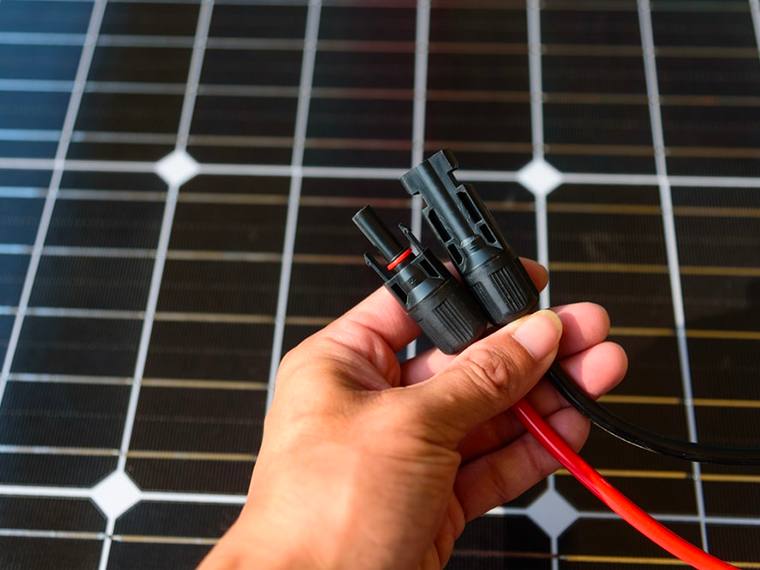
Solar Cable connectors are indispensable for maintaining the operational security and functional stability of photovoltaic (PV) systems. Compromised PV cable connector quality, incorrect installation methodologies, or environmental degradation can lead to elevated solar connector resistance, which becomes a major trigger for MC4 connector overheating, insulation deterioration, terminal melting, or in extreme cases, fire initiation. A systematic examination of the factors contributing to abnormal high contact resistance is therefore necessary for ensuring continued system dependability and preventing PV connector failure.
Solar Connector Contact Resistance Fundamentals
Contact resistance represents the electrical impedance measurable across the interface of two joined metal terminals within a solar connector. For high-current applications characteristic of PV arrays, sustaining a low and invariant resistance value is critical to avoid point-specific overheating. When resistance values exceed acceptable parameters, the resulting thermal load can surpass the maximum service temperature of constituent polymers and metals, consequently increasing failure risks.
Principal Sources of Solar Connector Contact Resistance Anomalies
(1) Installation Method Deficiencies
Procedural installation errors frequently initiate resistance escalation. Incomplete mating, insufficient insertion depth, or failure of the locking mechanism prevents full contact between conductive elements.
This restricted interfacial area concentrates current flow, generating localized temperature surges—one of the most common causes of MC4 connector overheating.
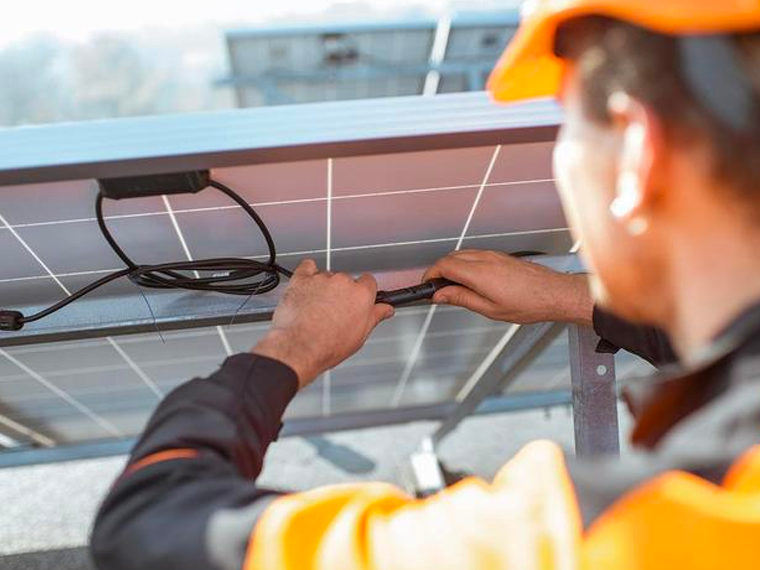
Adhering strictly to manufacturer-prescribed guidelines, including complete insertion, positive lock confirmation, and correct conductor preparation, is essential for reducing connector resistance and ensuring stable performance.
(2) Cross-Manufacturer Component Intermixing
The utilization of solar connectors from different suppliers within a single PV system constitutes a frequent yet problematic practice. Despite marketing claims of compatibility, subtle variations in tolerances, contact geometry, and spring characteristics remain.
These inconsistencies create unstable electrical interfaces, elevate solar connector resistance, and increase the likelihood of arcing or PV connector failure.
International certification standards (UL, TÜV, IEC 62852) and AS5033 explicitly forbid intermatting dissimilar PV cable connectors. Using only same-brand connectors is one of the most effective measures for preventing solar cable connector issues.
(3) Solar Connector Crimping Process Failures
Crimping reliability directly governs solar connector performance. Substandard crimp connections—attributable to tooling misapplication, conductor size mismatch, or insufficient compression force—create poorly consolidated interfaces between cable and terminal, leading to resistance inflation.
IEC 60352-2 stipulates that a correctly formed crimp on a 4 mm² terminal must maintain contact resistance under 0.2 mΩ and resist a tensile force greater than 310 N. Metallurgical analysis of an acceptable crimp reveals homogeneous deformation patterns, absence of air pockets, and structural uniformity. Strict adherence to manufacturer-specified tooling and operational sequences is consequently mandatory.
Risk Mitigation Strategies
To reduce the incidence of connector overheating and resistance-derived faults, implementation of the following measures is advised:
- Procure and install certified solar connectors and cables bearing IEC and TÜV recognition.
- Eliminate cross-brand connector intermixing irrespective of compatibility assertions.
- Apply controlled crimping methodologies using manufacturer-endorsed tooling systems.
- Perform regular physical inspections to identify connection loosening, thermal discoloration, or shape deformation.
Concluding Assessment on Solar Connector Reliability
The electrical resistance profile of PV cable connectors remains a decisive factor affecting photovoltaic system safety, reliability, and service life. Even minor deviations in contact integrity, assembly precision, or crimp formation can initiate substantial temperature rises and functional degradation.
By fully adhering to standardized installation practices and relying exclusively on certified, same-brand components, operators can effectively minimize MC4 connector overheating, prevent solar cable connector issues, and ensure secure and efficient long-term PV system performance.