


How to Install Solar Cable Connectors?
A secure Solar Cable connection is vital for your system’s safety and performance. Poor wiring can cause energy loss, system failures, or even fire hazards. This guide explains the step-by-step process for proper solar cable assembly, testing, and maintenance, using the right tools and techniques to ensure a safe and efficient photovoltaic system.
Essential Tools and Materials for the Job
Gather all necessary items before starting. This prevents interruptions and ensures a correct installation. Having a complete set of dedicated solar cable tools is the first step to success.
Required Tools:
- Wire strippers: For cleanly removing insulation without damaging the solar cable core.
- Crimping tool (ratcheting type): Essential for applying precise, consistent pressure during solar cable crimping.
- Cable cutter: For making straight, clean cuts on all solar cable wiring.
- Multimeter: The critical device for solar cable testing and verifying electrical continuity.
- MC4 spanner or disconnect tool: Specifically designed for tightening and safely releasing standard solar cable connectors.
Required Materials:
- Solar cable (correct AWG size for your system’s current).
- Solar cable connectors (e.g., MC4 pairs, ensuring male and female types).
- Solar cable terminals (matched precisely to your connector model and cable size).
- Heat shrink tubing with adhesive liner for a waterproof seal on any solar cable assembly.
Investing in a pre-assembled kit that includes compatible solar cable tools and materials streamlines the entire solar cable installation process.
Step-by-Step Guide to Installing Solar Cable Connectors
Follow these steps in order for a reliable result. Correct solar cable installation is the foundation of system safety. Never rush the process.
- Cable Preparation and Stripping
Cut the solar cable to your needed length using a sharp cable cutter. Use the wire stripper set precisely for your cable gauge. Remove 6-8mm of outer insulation. Be careful not to damage the inner copper strands. Twist the exposed strands together neatly. This prepares the cable for a perfect solar cable crimping process.
Pro Tip: Always inspect the stripped wire. It should be clean, with all strands intact. Cut and re-strip if any damage occurs.
- Crimping the Terminal
Select the correct solar cable terminals for your connector type. Fully insert the stripped wire into the terminal barrel. Place the terminal in the matching die of your solar cable tools, specifically the crimping tool. Apply firm, even pressure to create a cold weld. A proper crimp is uniform and secure. Visually inspect it; the metal should be fully compressed around the wire.
Important: Do not use generic pliers for this task. Only use a proper ratcheting crimper designed for solar cable assembly. It ensures consistent pressure every time.
- Connector Assembly
This step forms the solar cable connection. Always slide the connector’s waterproof back cap onto the cable first. This is a common mistake to avoid. Firmly push the crimped terminal into the connector housing until you hear a definitive click. This indicates the internal lock is engaged. Finally, thread and tighten the back cap to complete the seal. A complete solar cable assembly is now ready. - Solar Cable Wiring and Testing Guide
Connect the paired connectors by aligning and pushing until they click. For the final and most critical verification, proceed to solar cable testing. Use a digital multimeter. First, perform a continuity test on your completed cable run to check for breaks. Then, with system power turned on safely, measure the voltage at the connection points to confirm proper solar cable wiring and expected electrical flow.
Safety Reminder: All solar cable connections should be checked with a multimeter before finalizing the system installation.
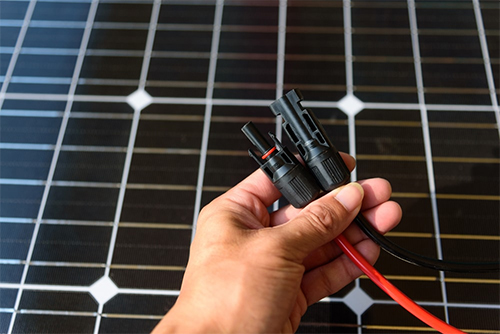
Solar Cable Installation Safety & Common Mistakes
Prioritize safety to protect yourself and your system. A methodical approach prevents most issues.
Critical Safety Rules:
- Always turn off the DC isolators and inverter before starting any solar cable wiring work.
- Wear insulated gloves and use tools with insulated handles. Live DC circuits can be dangerous.
- Work in dry conditions only. Moisture can cause immediate shorts during solar cable installation.
- Never connect or disconnect solar cable connectors under load, as this can create an electric arc.
Common Installation Errors:
- Incorrect cable stripping length, leading to exposed wire or poor contact inside the solar cable terminals.
- Forgetting the back cap before crimping, which forces you to undo the solar cable assembly.
- A loose terminal crimp, which increases electrical resistance and overheating risk.
- Not performing solar cable testing after assembly, leaving faults undetected.
Disconnection Guide:
Always de-energize the system first. Locate and press the connector’s locking tabs simultaneously. Pull the connector bodies apart straight out. Never pull on the solar cable itself, as this can damage the internal locks and wires. For tight connectors, invest in a cheap MC4 disconnect tool, a handy addition to your solar cable tools.
Pro Tips for a Durable Solar Cable Assembly
These practical suggestions enhance longevity and performance. Implementing them ensures your solar cable connections remain robust for years.
- Use Correct Sizing: Always use the correct solar cable cross-sectional area (AWG) as specified in your system design to prevent overheating.
- Apply Dielectric Grease: A small amount inside the solar cable connectors prevents corrosion and ensures easy mating, especially in humid climates.
- Implement Strain Relief: Use clips or loops to secure cables near connections, preventing tension on the solar cable terminals.
- Label Everything: During solar cable wiring, label both ends of each cable run. This simplifies future solar cable testing and maintenance.
- Plan for Inspection: Schedule bi-annual visual checks of all solar cable connections for signs of cracking, discoloration, or moisture ingress.
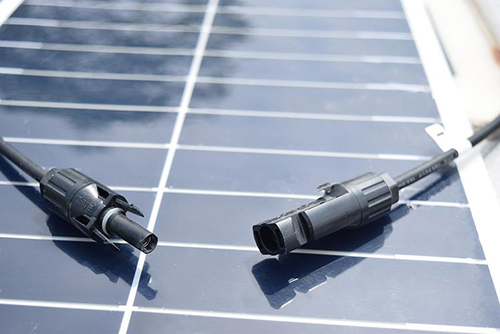
Comparison of Common Solar Cable Connector Types
|
Connector Type |
Key Features |
Best Used For |
Tool Requirement |
|
MC4 |
Weatherproof, lockable, industry standard |
Most residential & commercial panel wiring |
Standard crimp & assembly tools |
|
MC4-Evo 2 |
Tool-free assembly, higher current rating |
Large-scale systems, easier field installation |
Hand assembly possible |
|
Amethelient |
Compact size, sealed design |
Tight spaces, branch connectors |
Specific proprietary tool |
|
Tyco Solarlok |
Robust housing, high durability |
Harsh environmental conditions, industrial use |
Standard crimp tools |
Conclusion
A reliable solar power system depends entirely on secure cable connections. By meticulously following the correct solar cable installation steps, using proper solar cable crimping techniques with the right solar cable tools, and performing thorough solar cable testing, you ensure maximum safety, efficiency, and system lifespan. Consistent maintenance of all solar cable wiring and solar cable connections is the key to long-term, trouble-free performance.
Ready to ensure your solar system’s integrity? Get professional-grade solar cable connectors and complete solar cable assembly kits from our store. Our kits include everything for a perfect solar cable connection, from pre-sized solar cable terminals to detailed guides. Shop now or register for a free wiring consultation to build a safer, more efficient solar array.