


US Solar Industry Navigates Policy Shifts and Growth Challenges
America’s solar industry has demonstrated extraordinary growth throughout the past ten years, establishing itself as a crucial component of the country’s renewable energy transformation. Supported by federal tax incentives, state-level programs, and expanding consumer interest in clean power, solar energy has substantially increased its presence within the national electricity framework. Contemporary solar projects increasingly feature integrated battery storage solutions to improve grid stability and guarantee uninterrupted electricity supply.
Recent alterations to federal strategies and global trade arrangements have nonetheless created considerable uncertainty for development firms, investors, and equipment manufacturers. This changing landscape has generated apprehensions about moderated expansion in the coming years, especially for businesses involved in the solar supply chain, including those providing specialized cabling and system components.
Growth Expectations Adjusted
Market research indicates that the forecast for US solar capacity installations from 2026 to 2030 has been revised downward by nearly 30%. Although solar power accounted for over 80% of new power capacity added in the first half of 2025, it faces multiple challenges. Complex approval processes and regulatory hurdles continue to drive up project costs. Tariffs and trade barriers have significantly increased the cost of imported components. This projected slowdown in growth could reduce demand for a variety of products, including photovoltaic cables and related system components.
Policy Modifications and Market Impacts
The scaled-back federal clean energy tax benefits and subsidy programs primarily drive the revised growth forecast. These policy changes influence different solar market segments in varied ways:
Residential Solar Market
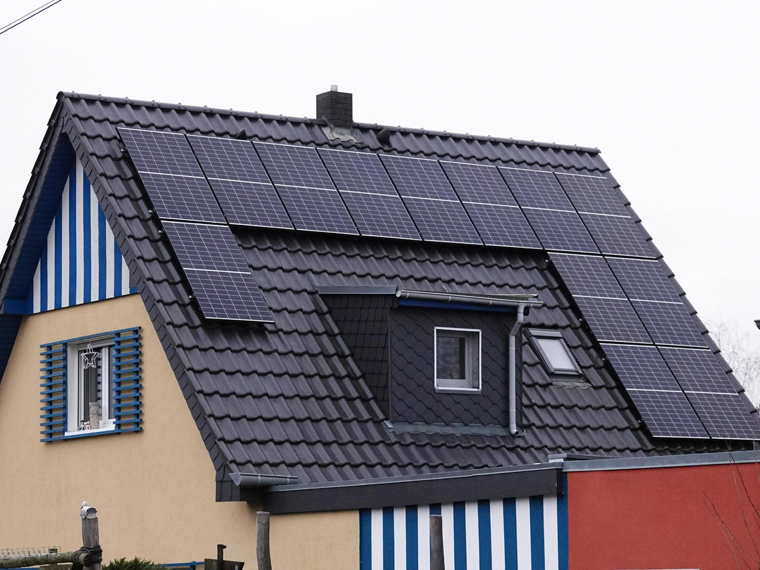
Homeowners currently face increased initial investment requirements due to diminished federal tax advantages. This financial burden could suppress solar adoption in areas with comparatively low electricity prices, ultimately reducing demand for residential-scale Solar Cables and installation accessories.
Commercial and Industrial Sector
Enterprises that previously utilized accelerated depreciation and tax incentives now confront longer investment recovery timelines. Many planned solar installations are being postponed or cancelled, decreasing large-volume cable procurement needs.
Utility-Scale Solar Initiatives
Large projects maintain economies of scale benefits, but policy unpredictability introduces financing complications. The absence of stable, long-term support mechanisms may deter investor confidence in utility-scale solar farms, creating fluctuating demand for bulk cable supplies. State policies continue to exert significant influence, with California, Texas, and Florida sustaining growth leadership through strong local incentives and substantial energy needs, while other states with less supportive programs witness more noticeable declines.
Supply Chain Cost Dynamics
Separate from policy concerns, the solar industry faces considerable cost pressures that directly impact solar cable pricing and availability. Extended permitting procedures at federal and state levels contribute to prolonged project schedules and increased operational expenses. Tariff impositions on imported materials have raised prices for solar panels, copper conductors, and other essential components. Logistics and transportation issues stemming from global shipping disruptions have affected the reliable delivery of solar equipment, including Pv Cables. These combined factors hinder developers’ capacity to maintain competitive pricing, potentially slowing solar energy implementation rates.
Potential Expansion Areas
Notwithstanding current difficulties, several sectors present viable opportunities for industry participants. Domestic manufacturing efforts are accelerating as tariff impacts and supply chain interruptions stimulate investment in American production facilities. This movement could reinforce local supply chains for solar cables, connectors, and associated components while generating new business possibilities for manufacturers. Solar plus storage configurations continue progressing as hybrid projects combining solar generation with battery storage gain acceptance, creating demand for specialized cables engineered for both power transmission and storage functions. State-level programs remain important as certain jurisdictions implement creative incentive structures and efficient permitting processes to maintain growth amid federal policy fluctuations, allowing companies focusing on these areas to prosper despite broader market challenges.
Risk Considerations Demanding Attention
Multiple persistent risks necessitate careful observation as the solar market develops. Ongoing federal policy revisions generate considerable uncertainty in demand prediction and project development. Fluctuating raw material expenses, particularly for copper, aluminum, and polymers necessary for cable manufacturing, present continuous financial pressures. Grid integration constraints appear as some regions experience difficulties incorporating substantial solar power volumes, potentially restricting future expansion. For solar cable providers, consistent tracking of these factors will prove crucial for preserving operational consistency and successful pricing approaches.
Market Outlook and Strategic Direction
Near-Term Perspective (2025-2026)
The U.S. solar market will probably display irregular growth patterns, with enhanced performance in states preserving local incentives and relatively slower activity elsewhere. Businesses ought to emphasize cost containment methods and focus on regions showing consistent demand.
Medium to Long-Term View (2027-2030)
Supporting prolonged industry growth will require several essential measures. Policy consistency through transparent, predictable federal frameworks will promote sustained investment commitment. Domestic supply chain development must decrease dependence on imported solar cables and components. Grid improvement initiatives should upgrade infrastructure capacities to handle growing renewable energy quantities. Policymakers need to implement reliable clean energy programs while minimizing regulatory complexity. Manufacturers and suppliers should diversify product portfolios, including economical solutions such as aluminum alloy solar cables for cost-conscious market segments. Investors ought to concentrate on regions exhibiting regulatory stability and confirmed demand growth trends.
Concluding Observations
The U.S. solar industry continues to manage a significant transformation period. While federal policy changes and increasing costs present immediate challenges, underlying demand for clean energy persists strongly. For companies operating in the solar cable sector, achievement will hinge on adapting to changing market conditions, refining supply chain activities, and aligning with state-level development opportunities. Organizations that successfully navigate these evolving circumstances will establish favorable positions to support the continuing expansion of solar energy across the United States.