


Why is IEC 60332 flame retardancy testing a must for large-scale photovoltaic projects?
High-performance photovoltaic cables are becoming more and more necessary as the photovoltaic industry grows quickly and as distributed and ground-mounted power plants continue to expand. In addition to transmitting power, cables—the “lifeline” of solar systems—have a direct bearing on the long-term dependability and operational safety of power plants. Choosing photovoltaic cables that have passed the IEC 60332 flame retardancy test has become a crucial prerequisite for project construction for EPC contractors, module manufacturers, inverter makers, and distributors.
Ⅰ.Analysis of IEC 60332 Testing Standard Interpretation
The International Electrotechnical Commission (IEC) created the flame retardancy standard for cables, IEC 60332. In flame situations, it precisely assesses the cables’ flame retardancy and fire resistance. There are two main test items in the standard:
IEC 60332-1: Single Cable Vertical Flame Test confirms that a single cable is flame retardant when exposed to a small flame source.
IEC 60332-3:The Bundled Cable Flame Test replicates the spread of flames from several cables arranged in a concentrated pattern.
When flame-retardant photovoltaic cables pass this test, they can successfully stop a fire from spreading, lowering the possibility of property damage and injuries. IEC 60332 is frequently used in the cable standard system for international solar projects since it is globally recognized, unlike regional or national standards.
Ⅱ.Four Reasons Why Large-Scale Photovoltaic Projects Must Emphasize Flame-Retardant Cables
1.Potential Risks of High-Density Laying
Large-Scale Photovoltaic Power Plants typically have densely laid cables over kilometers. Without flame-retardant properties, even a small fire source can quickly spread.
2.Safety Guarantee for High Investments
The construction investment in photovoltaic power plants often reaches hundreds of millions of yuan. EPC contractors and investors must prioritize safety. Selecting cables that comply with IEC 60332 has become a fundamental prerequisite for ensuring asset security.
3.Entry Barriers to International Projects
The vast majority of overseas photovoltaic project bidding documents explicitly require IEC 60332 flame-retardant testing and certification. Cables that fail to meet the standards are often excluded from procurement.
4.Reducing Lifecycle Costs
Cables that pass the IEC 60332 flame-retardant test can effectively reduce the incidence of fire accidents, lower subsequent operation and maintenance costs, and reduce compensation costs, ensuring the long-term and stable operation of photovoltaic power plants.
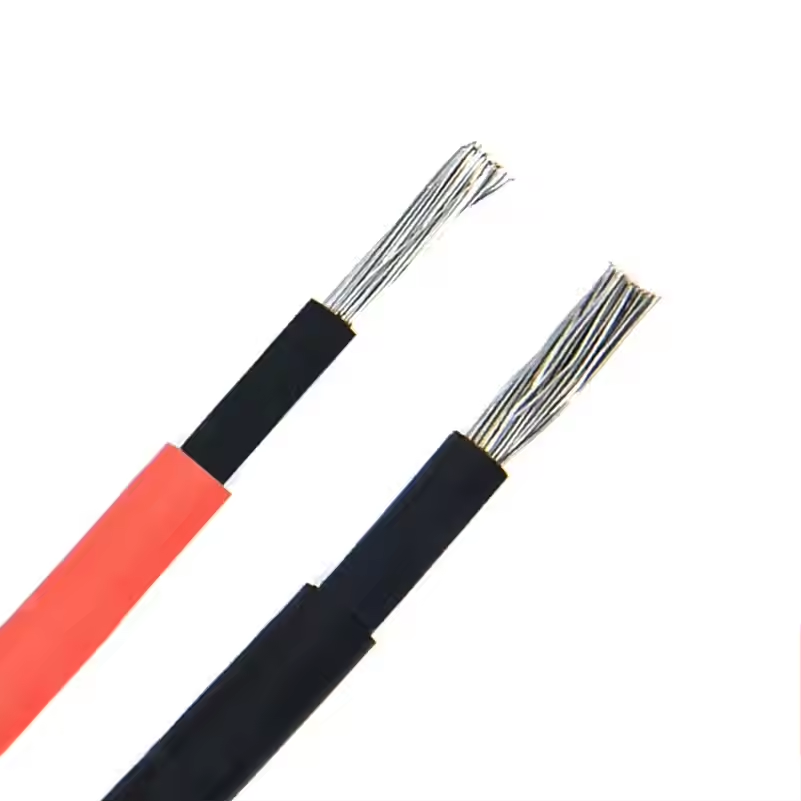
Ⅲ.The Core Value of Flame-Retardant Cables to the Industry Chain
1.Risk Management
Flame-retardant Pv Cables that comply with IEC 60332 can significantly reduce the probability of fire accidents and help projects mitigate potential legal and financial risks.
2.Quality Endorsement
Delivering power plant projects that meet international standards not only earns customer trust but also strengthens EPC companies’ brand influence in a fiercely competitive market.
3.Supply Chain Compliance
An increasing number of module manufacturers, inverter manufacturers, and system integrators are requiring IEC 60332 certification as a prerequisite for PV cable suppliers to be included in their partnership list.
4.Global Advantages
PV cables that comply with IEC 60332 meet the stringent flame-retardant performance requirements of markets such as Europe, the Middle East, Africa, and Southeast Asia, helping companies secure more international project opportunities.
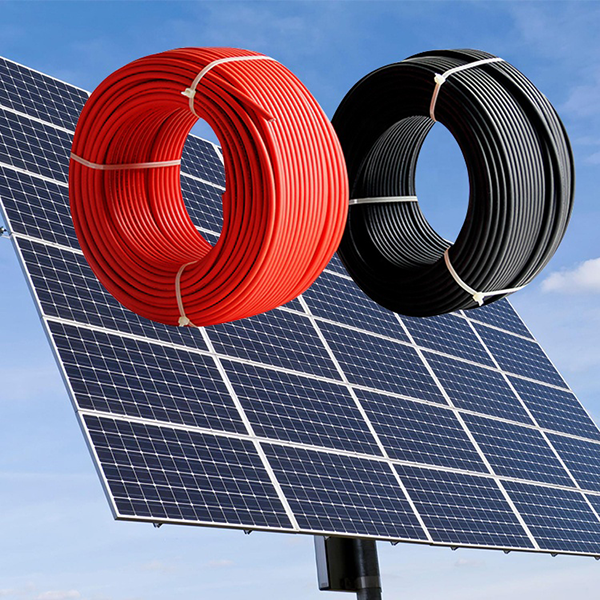
Ⅳ.Selection Criteria for High-Quality Suppliers
1.Materials and Processing
High-quality flame-retardant PV cables should utilize low-smoke, halogen-free insulation and a cross-linked polyolefin sheath to ensure durability and environmental performance.
2.Certification Qualifications
Qualified suppliers should be able to provide IEC 60332 flame-retardant test reports issued by a reputable third party to ensure product authenticity and reliability.
3.Comprehensive Performance
In addition to flame retardancy, cables must also possess properties such as UV resistance, high temperature resistance, and humidity and heat resistance to meet the long-term requirements of the complex environments of photovoltaic power plants.
4.Production Capabilities
High-quality photovoltaic cable suppliers should possess large-scale production capabilities and hold international certifications such as TÜV, CE, and UL to ensure consistent product quality and supply security.
Conclusion
In the construction of large-scale photovoltaic power plants, the IEC 60332 photovoltaic cable flame retardancy test is not only a technical indicator but also a critical bottom line for ensuring project safety and investment returns. Choosing flame-retardant photovoltaic cables means reduced risk, longer system life, and greater market acceptance. As industry standards continue to improve, flame-retardant cables with international certifications will become standard equipment in photovoltaic projects.