


What Is the Difference Between Solar Cable and Normal Cable
The safe and efficient operation of a solar power system relies heavily on the high performance of its components, with cables playing a particularly significant role. As accessories specifically designed for solar power systems, Solar Cables are capable of withstanding harsh environments, possessing properties such as UV resistance, heat resistance, and durability. Normal cables, or general-purpose cables, lack these special properties. Therefore, they are unsuitable for prolonged outdoor solar energy applications and may even pose safety hazards. Let’s take a closer look at how solar cables differ from normal cables.
Key Takeaways
- Solar cables are made for outdoor use where they handle sun, rain, and high temperatures.
-
Normal cables are meant for indoor use and lack specialized protection.
-
Always choose certified solar cables for outdoor use to ensure safety and reliability.
Materials and Insulation
-
UV Resistance in Solar Cables
Solar cables are made with special materials that protect them from sun damage. When used in solar systems, these cables are in direct sunlight for many years. Regular cables would crack and break under strong sun. Solar cables stay flexible and strong even after being in the sun for a long time. They work well in both hot summer and cold winter conditions.
-
Insulation Materials in Normal Cables
Normal cables usually use PVC plastic for protection. This works fine inside buildings but fails outside. Sunlight makes PVC become brittle and crack. Rain and moisture can then get inside the cables. This can cause electrical shorts and safety problems. Using normal cables for solar systems leads to frequent repairs and replacements.
Temperature Resistance
-
High-Temperature Tolerance of Solar Cables
Solar cables work very well in high-temperature environments, keeping stable at temperatures up to 90°C. This ability to resist heat is especially important when cables are installed on rooftops that face the sun or in other areas where it is hot. The materials used in solar cables can handle UV rays and extreme heat. This makes sure there’s always power and prevents electrical problems.
-
Limitations of Normal Cables in Extreme Heat
Normal cables struggle in high temperatures. Their PVC insulation gets soft and can melt when too hot. This exposes the wires inside and creates danger. In solar systems, normal cables can fail during hot weather. This leads to system shutdowns and repair costs. They are not made for hot outdoor conditions.
Durability and Longevity
-
Outdoor Durability of Solar Cables
Solar cables are engineered for outdoor durability. They resist water, UV, chemicals, abrasion, and temperature fluctuations. Even in heavy rain, snow, or strong winds, these cables continue to perform reliably, ensuring long-term stability for your solar system wiring.
-
Lifespan of Normal Cables
Normal cables quickly degrade outdoors. UV light, moisture, and temperature changes break down insulation, leading to frequent replacement needs. While cheaper initially, they are not a cost-effective choice for solar installations.
Flexibility and Installation
-
Flexibility of Solar Cables
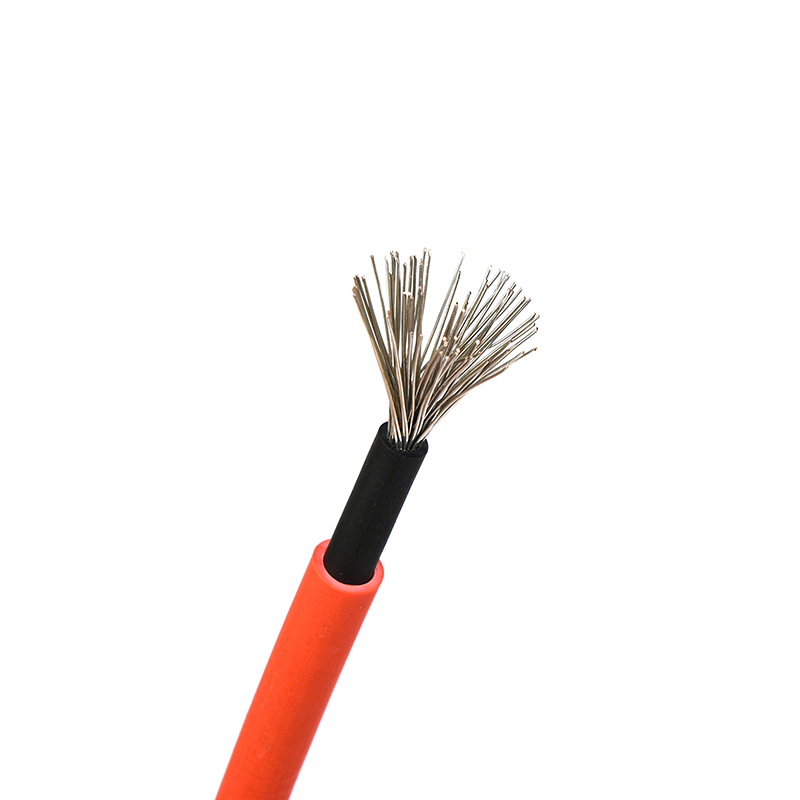
Solar cables bend and twist easily during installation. Their thin wires and soft coating help them fit into tight spaces. Workers can route them around corners and obstacles without force. This easy handling saves time and labor costs. The cables stay flexible even after years of use.
-
Installation Challenges with Normal Cables
Normal cables are stiff and hard to work with. They resist bending and can snap if forced too much. Installers struggle to route them through crowded spaces. In cold weather, normal cables become even more rigid. This often leads to damaged insulation during installation.
Electrical Properties
-
Voltage and Current Handling in Solar Cables
Solar cables carry high power levels efficiently. Their design helps to minimize power loss over long distances. They can handle DC electricity from solar panels without problems. The insulation stops electricity from leaking and makes sure that power gets to where it’s needed. This makes them perfect for connecting solar panels to other equipment.
-
Electrical Performance of Normal Cables
Normal cables aren’t designed for solar system needs. They lose more power over long runs. This reduces system efficiency and performance. They can overheat when carrying high power levels. This heat buildup can damage the cables and create safety hazards.
Applications and Suitability
-
Solar Cables for Solar Power Systems
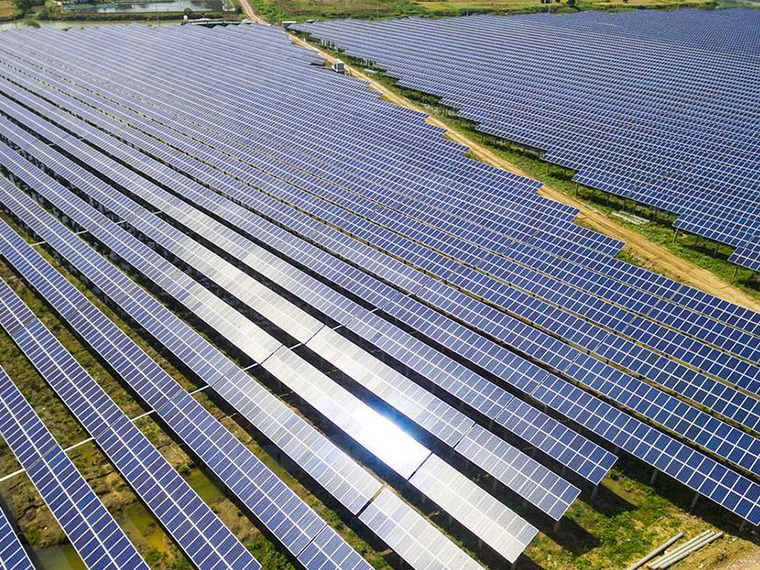
Solar cables are essential for any solar installation. They connect panels, combiners, and inverters safely. Their special features match exactly what solar systems need. They provide reliable service for 25years or more. Using proper solar cables is one of the smartest investments in a solar project.
-
When Normal Cables Are Appropriate
Normal cables work well for standard electrical jobs inside buildings. They are good for House Wiring, lights, and appliances. They cost less and are easy to find in stores. But they should never be used in outdoor solar systems. Their limitations make them unsafe and unreliable for solar applications.
Conclusion
In summary, solar cables and normal cables are designed for very different environments. Solar cables are purpose-built for outdoor solar system wiring, able to handle UV, heat, moisture, and mechanical stress. Normal cables, in contrast, are intended for indoor use and will deteriorate quickly outdoors. Choosing the right cable is critical for system safety, performance, and longevity. Using certified solar cables for outdoor use is a small investment that pays off in reliable, trouble-free operation for years.