


What Are the Key Considerations for Wiring in Rooftop Solar Systems?
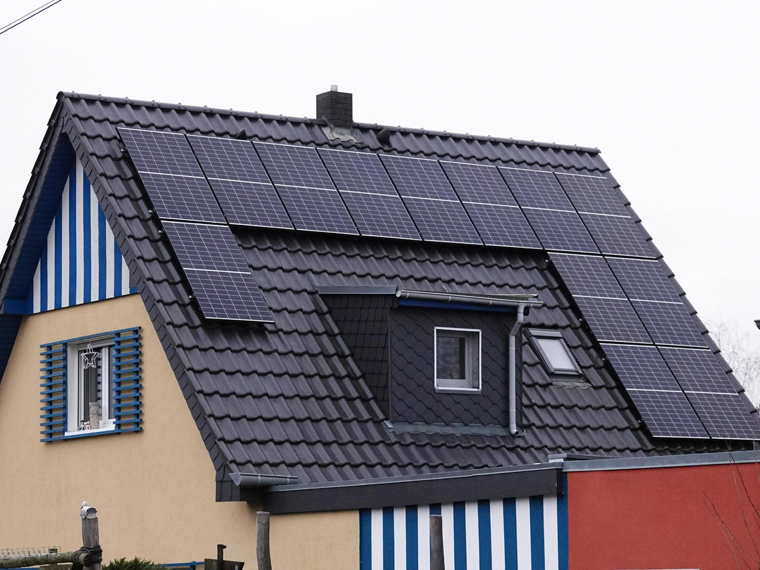
Rooftop solar systems have become prevalent in residential, commercial, and industrial applications. The wiring configuration significantly influences system safety, efficiency, and durability.
Significance of Proper Wiring
Proper wiring directly impacts system performance. Inadequate wiring can lead to power dissipation and voltage drop, reducing energy yield. Furthermore, it constitutes a fundamental safety requirement—preventing short circuits, fire hazards, and electrical faults. Quality installation mitigates cable degradation and connection failures, thereby enhancing system reliability. Compliance with international standards (such as IEC and UL) and local electrical codes is mandatory for system certification and operational safety.
Pre-Installation Assessment
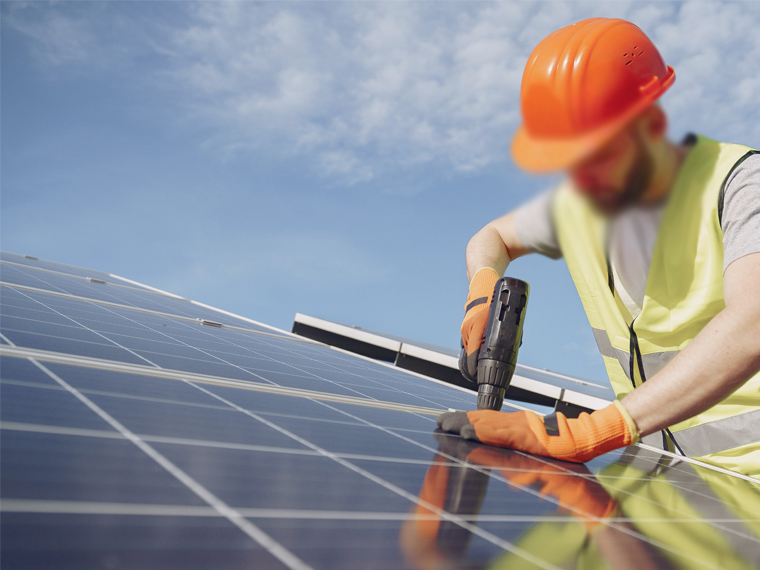
Thorough planning is imperative. Begin with a structural evaluation of the roof, including load capacity, inclination, and waterproof integrity. Design cable pathways to minimize length and bending points. Selection of appropriate Solar Cable specifications is essential; only solar-specific cables (e.g., PV1-F, H1Z2Z2-K) rated for outdoor applications should be employed. Cable cross-sections must be sized according to system current and voltage parameters to minimize losses. Required tools and materials include crimping equipment, weatherproof connectors, UV-stable fasteners, and protective conduits. Installers must utilize personal protective equipment including helmets, safety harnesses, and insulated gloves.
Critical Installation Aspects
Execution requires attention to several technical details. Route cables away from sharp edges and potential compression points. Secure cables using UV-resistant fixtures to prevent wind-induced abrasion. Implement protective conduits or edge guards in areas prone to mechanical stress. Waterproofing measures are critical; utilize connectors with IP67 or higher ratings installed away from water accumulation zones. Exclusive use of UV-resistant, temperature-tolerant solar cable is mandatory. Ensure cable specifications align with system voltage and current requirements per IEC or NEC standards to prevent overheating. Verify all terminations are mechanically secure and electrically sound. Polarities must be confirmed before energization. All metallic components require grounding compliant with local regulations, integrated with existing lightning protection systems where applicable.
Common Technical Challenges and Solutions
Typical wiring issues include insulation degradation from substandard cables—addressed through use of certified Pv Wire and periodic inspection. Connector failure due to moisture ingress requires high-IP-rated components and verified sealing. Mechanical damage from environmental exposure necessitates protective conduits and proper routing. Excessive voltage drop due to undersized conductors requires circuit optimization or cable specification adjustment. Poor documentation complicating maintenance necessitates comprehensive circuit labeling during installation.
Post-Installation Verification and Maintenance
Conclude installation with comprehensive testing. Perform visual inspection of all connections and cable conditions. Electrical measurements must validate design parameters including open-circuit voltage and short-circuit current. Thermal imaging can identify abnormal heating at connections. Implement annual maintenance protocols including connector integrity checks, insulation resistance testing, and clearance of obstructions.
Conclusion
Wiring remains a determinant factor in solar system performance and safety. Employ solar-grade solar cable and adhere to standardized installation methodologies. Establish regular maintenance schedules to ensure long-term reliability. Source components from certified suppliers providing technical documentation and product warranties to ensure system integrity.