


The Structure and characteristics of photovoltaic cables
Solar Cables, also known asphotovoltaic cables, are parts of the solar system and transfer electric energy between solar panels to other components in a system. Its structure and characteristics are important because they make things possible concerning how reliable and efficient any type of a PV system is.
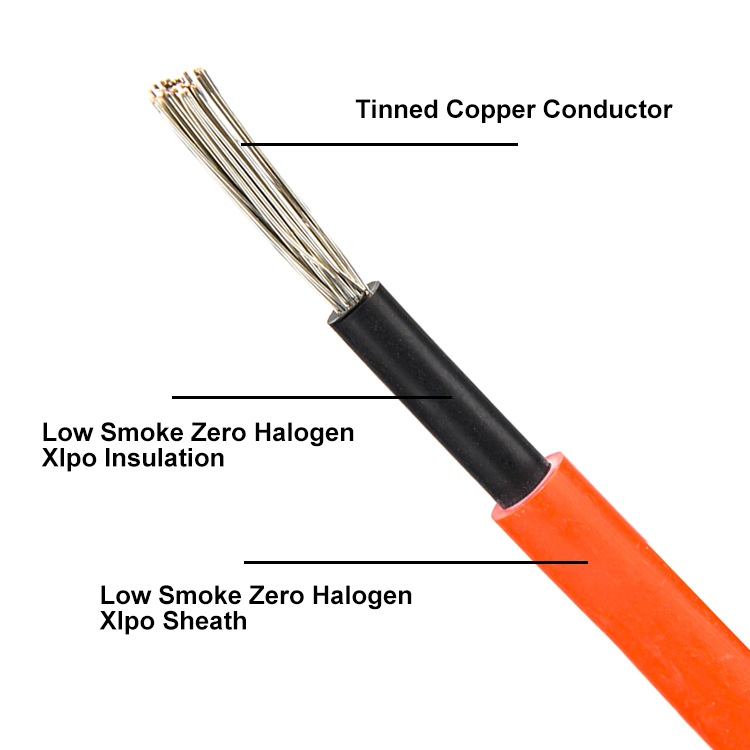
② Insulation: The major insulation material is cross-linked polyethylene (XLPE) that is encasing the conductor. They offer an excellent resistance to high temperature, abrasion, UV rays or radiation, and chemicals.
③ Sheath: The outer sheath material of photovoltaic cable has properties such as anti-corrosion and anti-ultraviolet rays, which can effectively protect the cable from environmental and chemical corrosion.At the same time, the outer sheath of the photovoltaic cable also has good abrasion resistance, high temperature resistance and low temperature resistance, and can maintain stable performance in many different environments.
1. Structure of photovoltaic cable
Pv Cables are specifically designed to endure all the demanding environmental factors which are found in solar installations. It includes the structure of several parts, among which the most important ones include:
①Conductor: The conductor is often made from tinned copper and aluminum core, because both metals are good conductors of electricity. Tinned copper is often preferred for this purpose because of its efficiency and durability.
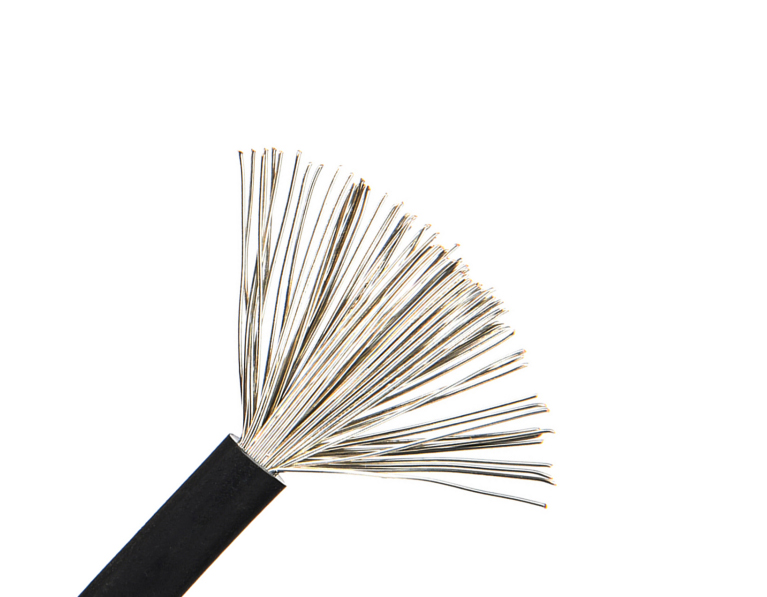
2. Characteristics of photovoltaic cables
Photovoltaic cables possess these unique characteristics, construed for the particular requirement of the demanding applications of solar power:
① Halogen-free, flame retardant
Photovoltaic cable is made of halogen-free and fire-resistant material, effectively preventing the occurrence of fire.During the combustion process, no toxic fumes or corrosive gases are produced and is not harmful to the environment or humans.
② Excellent temperature and pressure resistance
Photovoltaic cable has excellent temperature and voltage resistance and can operate stably for a long time in high temperature, high voltage and environment hard.At the same time, the mechanical strength of the cable is high, it is not easily damaged, and can resist various external forces, ensuring the safety and stability of the cable.
③ Strong corrosion resistance
Photovoltaic cables are made of special materials and have strong corrosion resistance.It can resist the corrosion of various chemicals and effectively protect cables from environmental and chemical damage.
④ Good environmental performance
The production and use of photovoltaic cables does not add halogen elements such as chlorine and bromine, so it does not create harmful substances and gases.They are environmentally friendly and are eco-friendly cables. At the same time, photovoltaic cables can also be recycled and reused, thereby reducing the amount of waste generated and minimizing environmental pollution.
⑤ Long service life
The service life of photovoltaic cables is very long, usually exceeding 25 years. During long-term use, its efficiency is stable and reliable, which can effectively ensure the long-term stable operation of photovoltaic power generation systems.
Thus, photovoltaic cables are more about solar power systems with very good protection and higher conductivity levels, as well as the endurance to suffer damages from the surrounding environment. Understanding these structures and characteristics means that the stakeholder organs can make informed decisions about power transmission systems related to performance and life of different solar installations.