


Extreme Environment Photovoltaic Cables for Long-Term Reliability
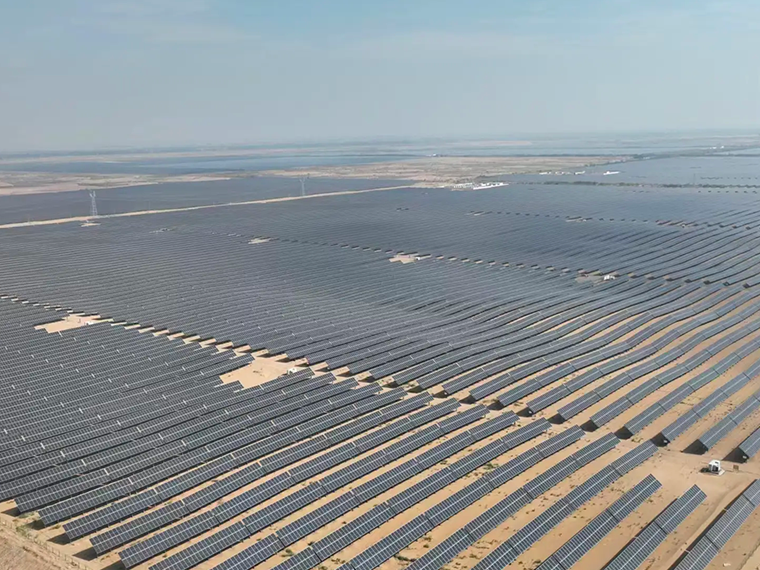
Global renewable energy expansion has positioned desert environments as strategic assets for large-scale photovoltaic power generation. These regions present exceptional opportunities with their vast terrains and extraordinary photovoltaic irradiation levels. Major initiatives across sun-rich geographies demonstrate how nations are capitalizing on these natural advantages. Annual photovoltaic radiation measurements consistently exceed 2,000 kWh per square meter, establishing deserts as prime locations for photovoltaic development.
The very elements that create ideal photovoltaic conditions also introduce formidable operational challenges. Significant thermal variations, abrasive particulate matter, intense ultraviolet exposure, and sporadic humidity collectively create a punishing environment for electrical infrastructure. Conventional cabling solutions frequently deteriorate under such extreme conditions, resulting in power transmission losses and escalating maintenance requirements. Engineered photovoltaic cables—incorporating advanced material science—deliver sustained performance while optimizing operational expenditures.
The Strategic Importance of Environment-Specific Cabling
Electrical cabling forms the essential connectivity within photovoltaic installations, conveying electricity produced by photovoltaic panels through inverters and onward to the grid. In desert applications, these components must withstand environmental aggression beyond basic electrical conductivity. Standard photovoltaic cables, typically developed for temperate conditions, rapidly degrade when subjected to extreme thermal cycling, UV degradation, sand erosion, and particulate infiltration. Common failure modes include insulation compromise, efficiency reduction, and systemic reliability issues.
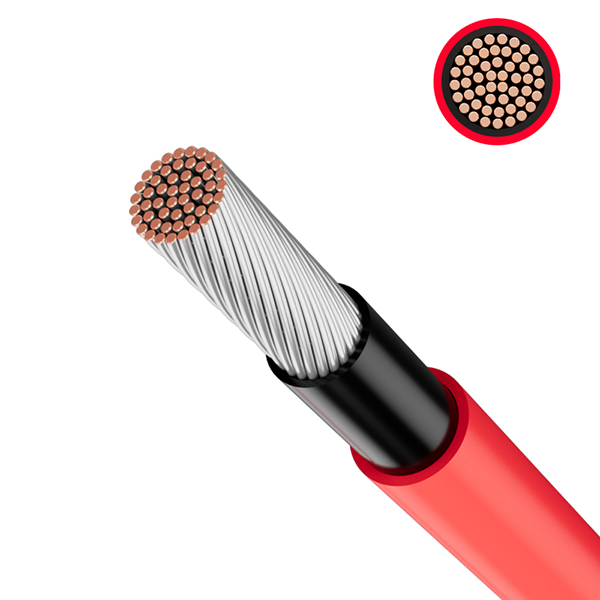
Modern cable engineering addresses these challenges through innovative material applications including cross-linked polymers that deliver exceptional thermal stability, ultraviolet resistance, and mechanical resilience. Critical design considerations incorporate advanced moisture barriers, enhanced abrasion resistance, and superior sealing technologies. Adherence to international standards such as EN50618 and IEC 62930 validates performance under sustained environmental stress. Specification of desert-optimized cabling solutions ensures protection of both energy production and investment security.
Environmental Adversaries to System Reliability
Persistent Ultraviolet Bombardment
Continuous photovoltaic exposure induces molecular degradation in conventional cable jackets through photochemical deterioration. This manifests as surface crazing, pigment fading, and reduced elasticity that compromises electrical integrity. Desert-grade cables utilize molecularly stabilized materials that preserve structural and electrical characteristics through decades of exposure.
Extreme Thermal Cycling Conditions
Diurnal temperature variations regularly exceed 50°C differentials, with surface temperatures reaching extreme highs followed by rapid nocturnal cooling. These dramatic fluctuations induce repetitive expansion and contraction cycles in cable materials, potentially causing insulation separation and conductive exposure. High-performance cables maintain operational integrity across extensive thermal ranges, typically -40°C to 125°C, without performance compromise.
Abrasive Particulate Erosion
Sandstorms regularly traverse arid landscapes, subjecting exposed components to abrasive action that can degrade protective jackets. Wind-driven particulates gradually erode exterior surfaces, potentially exposing conductive elements. Microscopic dust infiltration threatens connection integrity, promoting corrosion and electrical resistance. Mitigation strategies include hardened sheath formulations and completely sealed connection systems.
Faunal Interference
Desert ecosystems support resilient species, including rodents that may interact with cable systems through gnawing behavior. Such interference can create electrical faults and fire hazards. Protective methodologies incorporate physical barriers, chemical deterrents, and structural reinforcements.
Engineering Solutions for Extreme Environments
Molecular UV Stabilization
Cable sheathing incorporates ultraviolet inhibitors within polymer architectures. Cross-linked molecular configurations enhance resistance to photochemical degradation, substantially extending service duration.
Expanded Thermal Performance Parameters
Specialized material compounds maintain flexibility at temperature extremes while preserving structural integrity during thermal cycling, minimizing stress-related damage.
Reinforced Mechanical Protection
Abrasion-resistant jacket formulations, supplemented by protective conduits in high-exposure areas, shield cables from physical degradation.
Advanced Environmental Sealing Technologies
IP68-rated connection systems prevent particulate and moisture intrusion. Internal water-blocking mechanisms prevent longitudinal moisture propagation.
Faunal Deterrence Methodologies
Rodent-resistant designs incorporate physical armor layers or repellent-infused composites. Elevated installation approaches and protective raceways provide additional security layers.
Installation Protocols for Extreme Environments
Proper installation methodology significantly enhances cable performance in desert applications. Elevated support systems minimize contact with heated surfaces and reduce particulate accumulation. Ultraviolet-resistant fastening systems secure cables against wind-induced movement and abrasion. Routing configurations should avoid typical fauna activity zones, with protective raceways employed in vulnerable sections. These collective practices ensure reliable performance and extended service life for photovoltaic investments in extreme desert conditions.