


Can You Use Normal Cable for Solar Panels?
During the installation of a solar system, some users may consider using normal cables when installing solar panels. However, this is not advisable because normal cables cannot meet the safety and performance requirements of a solar system. The system must use photovoltaic cables specifically designed for its unique needs.
Key Points
- Choosing the right photovoltaic cables is vital for safety and performance
- Normal cables can overheat during use, leading to fires or energy loss
- Photovoltaic cables withstand harsh weather and keep system working well for years
- Using proper photovoltaic cables or USE-2 cables ensures good performance and follows safety rules
Why Photovoltaic Cables Are Needed
Cables connect solar panels to each other and to an inverter, thus transmitting power in the system. The advantage of photovoltaic cables is that they can effectively manage the high voltage and direct current from solar panels, a task that normal cables cannot perform efficiently and would waste energy as heat. As specialized Dc Cables, photovoltaic cables face tough conditions outdoors – extreme heat, cold, rain, and snow, while normal cables would crack or break down quickly in these conditions. Photovoltaic cables are built to last about 25 years in these environments. Sunlight damages most materials over time. Photovoltaic cables have UV-resistant coating that prevents breaking down in the sun. They also have better insulation that protects against electrical problems and makes them last longer.
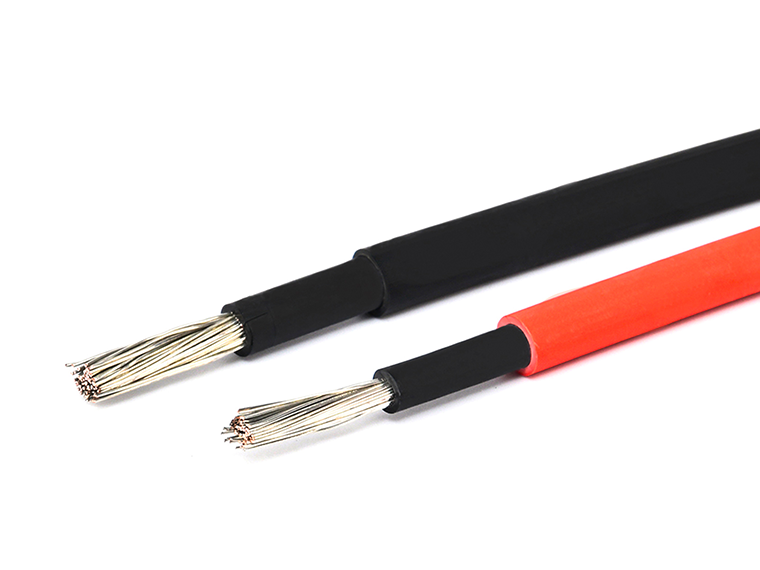
Types of Solar Cables: A Focus on Performance
The appropriateness of cable selection directly affects the operational efficiency and safety of the entire solar power generation system. Photovoltaic cables and USE-2 cables, as the main cable types in the system, have distinct performance characteristics, designed to meet the specific needs of different installation scenarios.
Photovoltaic Cable: Optimized for Versatility and Durability
Photovoltaic cables are the standard and most versatile choice for connecting solar panels. Their core performance advantage lies in their robust double-insulation structure, effectively resisting harsh weather conditions, long-term ultraviolet radiation, and mechanical stresses such as friction and impact. Compared to normal cables, photovoltaic cables undergo special processing, maintaining excellent flexibility even in low-temperature environments, greatly simplifying the installation process in complex rooftop wiring scenarios. More importantly, these cables are specifically designed for high DC voltage environments, safely carrying the large currents generated by solar cell arrays, serving as ideal DC transmission lines and providing long-term stable operation assurance for the system.
USE-2 Cable: Engineered for Underground Resilience
USE-2 cables are widely recognized for their superior mechanical strength and environmental resistance, making them particularly suitable for underground conduit cabling or direct burial installations. Their most prominent performance advantage lies in their exceptional moisture resistance and resistance to soil corrosion, thanks to a thick insulation sheath made with a special formula. While not as flexible as dedicated photovoltaic cables, USE-2 cables compensate for this limitation with their superior compressive strength, effectively withstanding the external pressure during underground installation. Furthermore, with a temperature rating up to 90°C, these cables maintain excellent heat dissipation even in enclosed or buried conduits when used as DC cables, effectively controlling heat buildup.
Although both types of cables possess basic characteristics such as weather resistance and high voltage carrying capacity, their performance advantages have different focuses: photovoltaic cables excel in their superior all-weather adaptability and installation flexibility, making them the preferred choice for general DC power transmission; while USE-2 cables demonstrate irreplaceable environmental resilience in grounded or buried installations.
Risks of Using Normal Cables
Safety is the primary concern when using normal cables. Normal cables cannot withstand the continuous high power output of solar panels; they may overheat, melt, or even cause a fire. Their poor insulation also increases the risk of electric shock. Furthermore, normal cables have significantly higher resistance compared to photovoltaic cables, resulting in energy waste. This means that the electricity generated by the solar panels cannot be efficiently delivered to them, reducing system efficiency and increasing costs. Normal cables also have a shorter lifespan than photovoltaic cables. Solar panels can last for over 25 years, while normal cables used outdoors need to be replaced every few years. This not only increases maintenance costs but can also damage other system components. Normal cables without industry certification can also cause additional financial losses. Electrical inspectors will not approve the installation of incorrect cables, which may result in fines and rewiring.
The Difference Between Photovoltaic Cables and Normal Cables
Photovoltaic cables use superior materials, featuring high-quality tinned copper conductors and robust insulation, resisting the corrosive effects of high temperatures and harsh weather. Normal cables, on the other hand, use cheaper materials and are prone to aging and damage outdoors. Photovoltaic cables can function normally under extreme temperature conditions and are resistant to UV damage. Normal cables become brittle at low temperatures, soften at high temperatures, and are damaged by sunlight. Photovoltaic cables can withstand the higher DC voltages (1.5kV) generated by solar systems, while normal cables cannot withstand such high voltages outdoors.
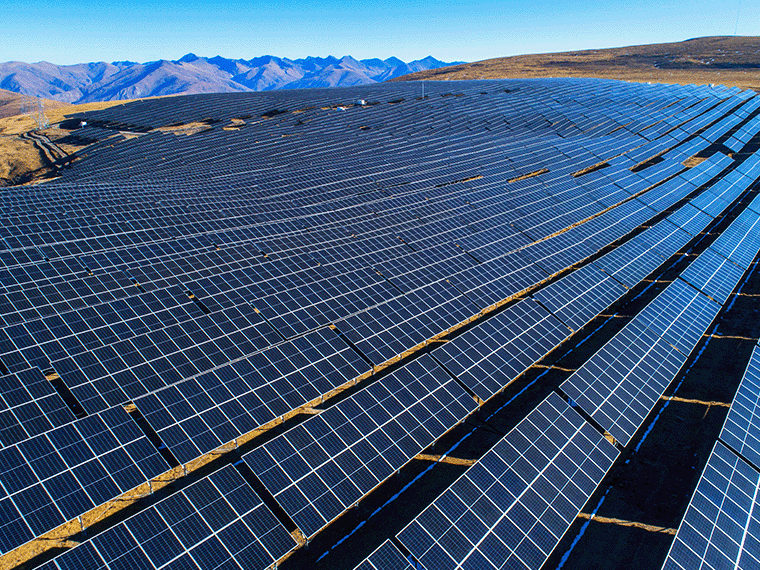
Photovoltaic Cables vs. USE-2 Cables
Both are suitable for solar energy systems, but there are important differences:
·Photovoltaic cables are made specifically for solar connections, while USE-2 serves general wiring needs including underground use.
·USE-2 typically handles 600V, while photovoltaic cables come in 1.5kV ratings.
·USE-2 works up to 90°C, while photovoltaic cables can handle up to 125°C.
·Photovoltaic cables are more flexible, making installation easier.
·USE-2 works only in grounded systems, while photovoltaic cables work in both grounded and ungrounded systems.
Both are resistant to sunlight, high temperatures and humidity, and both use high-quality insulation materials and meet solar wiring safety standards, making them reliable DC cables.
Conclusion
A comprehensive performance comparison demonstrates that users should not use normal cables to connect solar panels. The choice between photovoltaic cables and normal cables affects the safety, efficiency, and legality of the system. Photovoltaic cables are more suitable for most solar applications as dedicated DC cables, while USE-2 cables are suitable for specific needs such as underground wiring. Always follow local electrical codes and manufacturer recommendations to ensure your solar system operates safely and efficiently throughout its entire lifespan.