


Best Practices for Inspection and Maintenance of Solar Cables
Photovoltaic (PV) cables are indispensable key components in PV power plant systems, responsible for the transmission of DC and AC power as well as system safety protection. Even with high-quality Pv Cables, issues such as insulation aging, overheating, mechanical damage, or environmental corrosion may arise if there is a lack of scientific inspection and maintenance, resulting in decreased power generation efficiency or even safety accidents. This article, based on engineering practice, provides best practices for the inspection and maintenance of PV cables, helping project parties extend cable lifespan, reduce operation and maintenance risks, and enhance system stability.
The importance of Solar Cables inspection
As the “blood vessels” of the power plant, solar cables pass through distribution systems, inverters, combiner boxes, and other components. Regular, high-quality inspections and maintenance can improve system efficiency, prevent downtime losses, and quickly detect possible issues. Ageing insulation, sheath cracking, UV deterioration, mechanical wear, loose connectors, and corrosion are examples of common cable defects. The service life of cables can be increased and safety hazards can be successfully decreased with scientific inspection and maintenance.
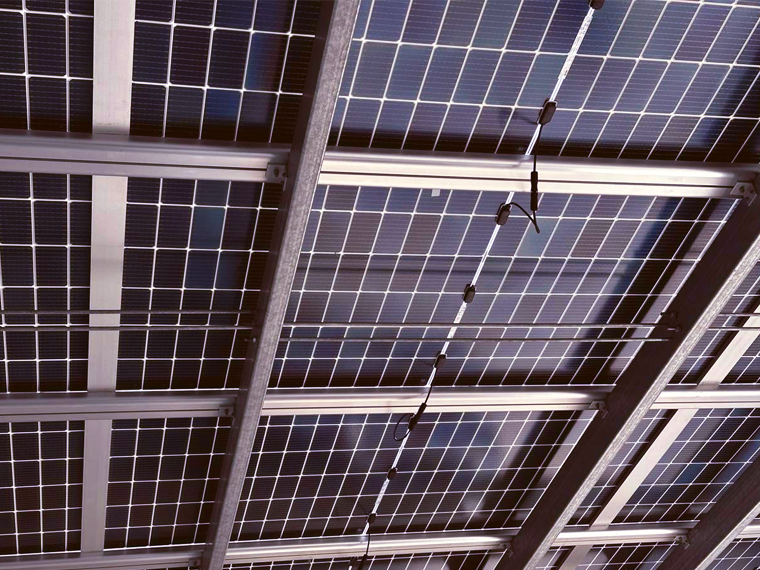
Inspection frequency and method
-
Inspection frequency
Regular inspection: Quickly check for obvious damage, loose connectors, and old sheaths.
Quarterly or semi-annual inspection: Test joint condition, insulation resistance, and cable temperature rise using specialized equipment.
Annual maintenance: Verify the integrity of the grounding system by doing a thorough examination of the supports, protective tubes, and wiring layout.
-
Inspection methods and tools
Visual inspection: Verify that the bending radius and support spacing meet specifications and look for signs of corrosion, aging from UV exposure, or mechanical wear on the cable sheath.
Electrical testing: Insulation resistance testing is used to identify insulation degradation, continuity testing is used to guarantee conductor continuity, and infrared thermal imaging is used to identify local overheating sites.
Mechanical inspection: Verify that the brackets and fastening clamps are tight, and check for loose or corroded connection terminals and crimping components.
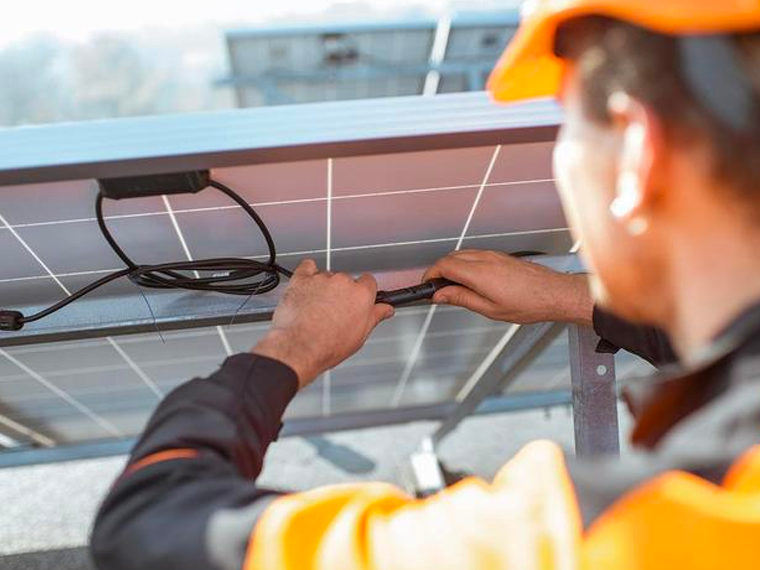
Maintain best practices
1.Cleaning: Consistently clear cable surfaces of dust, debris, and corrosive particles.
2.Tightening connections: To avoid excessive contact resistance, make sure all compression fittings and terminal screws are in place.
3.Repairing damaged cables: Immediately replace cables that have excessive wear, cracked insulation, or broken sheaths.
4.Environmental protection: To increase the longevity of cables in high-temperature, high-UV, or humid conditions, use protective conduits or coatings.
5.Record keeping: To monitor performance and hazards over time, keep inspection logs that include identified problems, remedial measures, and accountable parties.
Common problems and safety precautions
Common problems include cracked insulation, worn or damaged cable sheaths, mechanical damage, corroded connectors, and local overheating. Safety is very important during inspections: always turn off the power or isolate the circuit, wear protective gear like insulated gloves and safety glasses, and follow electrical safety rules to keep people and equipment safe.
Checking and maintaining solar cables regularly is key to keeping a PV system safe, reliable, and running efficiently. Following a clear inspection plan, using the right tools, fixing problems on time, and keeping simple records will help find issues early, reduce the chance of failures, and make cables last longer. Good cable care not only keeps the system safe but also protects the long-term investment in the solar project.