


Best Cable Options for Solar Panel Systems
When a solar system operates outdoors, it will be exposed to sunlight, rain or extreme weather conditions for a long time. Normal wires cannot handle this. They will break down. Solar Cables are made for this job. They have special coverings that protect against the sun, water, heat and cold.
Solar panels make DC power and needs good cables to move it. If it is too thin or too long, it will lose power. This power loss is called voltage drop. High-quality cables can avoid this power loss. They keep the system safe and help your system work for a long time.
How to Choose the Right Solar Cables
Cable Thickness and Power
Cables come in different thicknesses, called gauges. Thicker cables can carry more power, while thinner cables can carry less power. To maximize your system’s power generation efficiency, you need to choose the right cable gauge for your system. Large solar systems typically require thicker cables, while smaller systems can use thinner cables. Using cables that are too thin can cause the cables to heat up, wasting electricity and potentially posing a fire hazard. Be sure to check your system’s power output and select cables that can handle that power.
Copper or Aluminum Wires
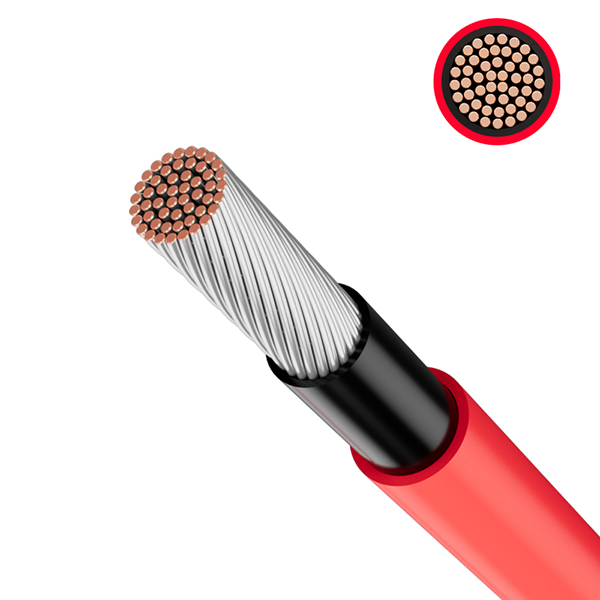
The interior of the solar cable is made of metal, typically copper or aluminum. Copper is better suited for solar systems because it transmits power well, is less prone to breakage, and has a long service life. Aluminum is less expensive, but its power transmission capacity is not as good, so thicker aluminum wire is required to transmit the same amount of power.
Insulation of Solar Cable
Solar cables are consistently exposed to harsh outdoor conditions, making high-quality insulation essential. It is important to select cables with insulation that is resistant to UV rays and various weather conditions. This protective layer safeguards the wires against sunlight, rain, and temperature fluctuations. Cables with reliable insulation not only have a longer service life but also ensure the stable and safe operation of the system.
Safety Certifications
To ensure your solar cables are safe and reliable, they must meet safety standards. Check for markings like UL or TUV on the cables, which indicate they are suitable for use in solar systems. Also, ensure the cables are compatible with other components, such as solar panels and inverters. Using non-compliant cables can damage your equipment.
Types of Solar Cables
Solar Cable
The PV1-F solar cable delivers excellent all-weather resistance to UV, ozone, heat, and humidity, along with halogen-free flame-retardant insulation for safety and flexibility in outdoor or underground use. Ideal for panel-to-panel and panel-to-inverter connections, it comes in red and black for easy polarity identification. Meanwhile, the H1Z2Z2-K cable meets EU EN 50618 standards, providing halogen-free, low-smoke properties for enhanced fire safety and operating temperatures up to 125°C. While mainly used indoors, it withstands humid and hot conditions, making it a high-safety choice for regulated environments.
USE-2 Cable: Ideal for Underground Applications
USE-2 cable stands out as an optimal solution for underground wiring in solar installations. Designed for direct burial without the need for additional conduit, it features robust insulation that effectively resists moisture and harsh soil conditions, ensuring reliable long-term performance. This type of cable is commonly employed to connect solar panels to inverters or other system components when the wiring path runs below ground.
THHN Cable: Limited but Possible Use in Solar Systems
THHN wire can be utilized in certain scenarios—typically for indoor wiring runs that are housed inside protective conduit, as it lacks inherent resistance to outdoor exposure. Known for its lightweight and cost-effectiveness, THHN represents an economical alternative for budget-conscious projects involving indoor electrical connections. Anyone considering THHN should verify that it complies with local electrical codes and meets specific system requirements.
How to Install Solar Cables
Cable Length and Power Loss
The length of your cables affects power loss. Longer cables lose more power. Try to use the shortest cables you can. Measure the distance between your solar parts. Use just enough cable to reach. If you must use long cables, get thicker ones. Thick cables lose less power over long distances. Always plan your cable lengths before you start. This will save you power and money.
How to Install Cables
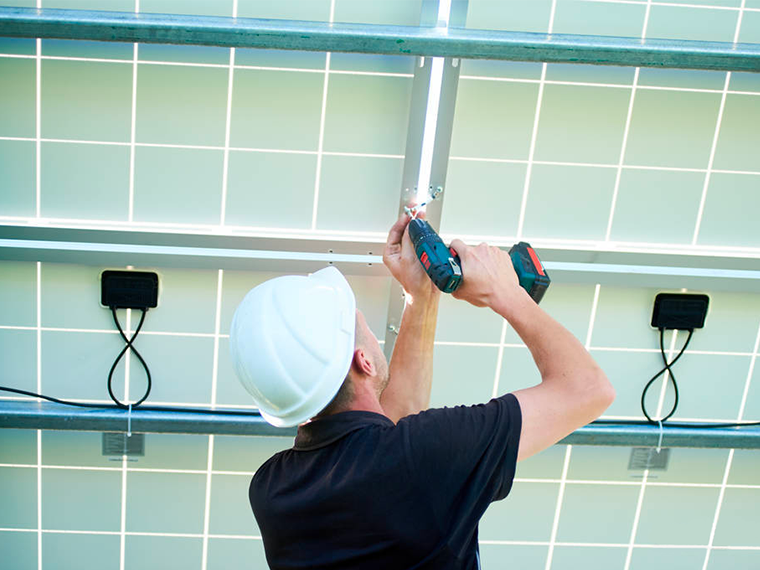
Putting in cables the right way is important. Use clips and ties to hold the cables in place. Do not let cables hang down loosely. Keep cables away from sharp things. Sharp edges can cut through the cable covering. For cables outside, use clips that can handle weather. For cables in the ground, always use conduit. Make all connections tight. Use the right connectors for your cables. Check each connection to make sure it is secure.
Taking Care of Your Solar Cables
Regular Checks
Look at your cables every few months. Check the outside covering for damage. Look for cuts or cracks. Look for color fading from the sun. Check the places where cables connect. Look for rust or corrosion. If you see problems, fix them right away.
Cleaning Cables
Keep your cables clean. Dirt and leaves can trap heat. This heat can damage cables. Use a soft cloth to clean your cables. Do not use strong chemicals. They can damage the cable covering.
Fixing Problems
If you find damaged cables, replace them. Do not try to repair them with tape. Always use new cables. This keeps your system safe.
Final Advice for Solar Cables
Choosing the right solar cables is key to a safe and efficient solar power system. For most setups, solar cable works best because it’s strong and can handle sunlight well. Always check the cable’s details, what it’s made of, and its insulation to make sure it fits your system’s needs.