


Armored Cable: Types and Uses of Armored Cable
As a cable with strong durability, Armored Cable can work stably in environments such as industrial plants, outdoor areas and underground facilities. In the face of chemical corrosion, mechanical damage and bad weather, armored cables can also maintain stable performance and ensure the normal operation of electrical systems.
Structural features of armored cables:
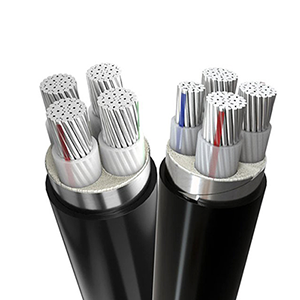
Generally speaking, armored cables use insulated conductors (PVC or XLPE materials) as the core, and are wrapped with steel or aluminum protective layers on the outside. This structural design can effectively prevent damage caused by mechanical impact, moisture penetration and animal bites. Due to its outstanding protective performance, armored cables are particularly suitable for occasions such as industrial environments and outdoor places where wear is more frequent, and have a long service life.
Components of Armored Cables
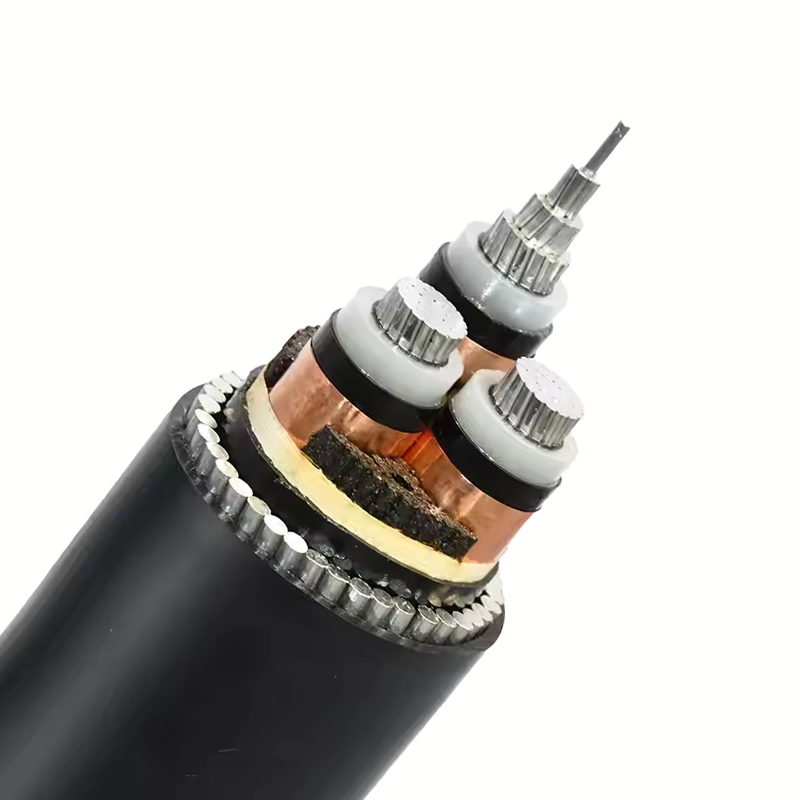
- Conductor: Copper/aluminum for current flow.
- Insulation: PVC/XLPE for electrical separation.
- Bedding Layer: Cushions between insulation and armor.
- Armor Layer: Steel/aluminum for mechanical protection.
- Outer Sheath: Resists chemicals, moisture, and abrasion.
When to Use Armored Cable?
- Underground installations (soil movement resistance).
- Industrial plants (heavy machinery exposure).
- Outdoor/harsh environments (UV/moisture resistance).
- Marine/offshore applications (corrosion resistance).
Benefits
Durability: Withstands stress and harsh conditions.
Protection: Shields against impacts, rodents, and abrasion.
Safety: Reduces electrical faults and fire risks.
Flexibility: Suitable for buried, aerial, or submerged use.
Armored vs. Non-Armored Cable
|
Parameter |
Non-Armoured Cable |
|
|
Protection |
High |
Low |
|
Cost |
Expensive |
Affordable |
|
Applications |
Harsh areas |
Indoor/protected |
|
Durability |
Strong |
Moderate |
|
Installation |
Underground/buried |
Not suitable for burial |
|
Material |
Metal/fiber armor |
Insulated only |
|
Usage |
Hazardous zones |
General use |
|
Resistance |
Rodent/moisture proof |
Limited |
|
Flexibility |
Less flexible |
More flexible |
|
Grounding |
Possible |
Not applicable |
Steel Wire Armor (SWA) Features
- Mechanical Protection: Resists crushing and tension.
- Corrosion/Fire Resistance: Suitable for outdoor use.
- Load-Bearing: Handles heavy strain.
Insulation Types
- PVC: Cost-effective, moisture-resistant.
- XLPE: Heat-resistant for industrial use.
Aluminum vs. Copper Armor
|
Parameter |
Aluminium Wire |
|
|
Weight |
Lightweight |
Heavier |
|
Cost |
Affordable |
Expensive |
|
Conductivity |
Moderate |
High |
|
Durability |
Less durable |
Highly durable |
|
Flexibility |
Less flexible |
More flexible |
|
Corrosion |
Prone |
Resistant |
|
Applications |
Large-scale |
Precision/critical |
|
Heat Dissipation |
Faster |
Slower |
|
Maintenance |
High |
Low |
|
Safety |
Moderate |
High |
Choosing the Right Cable Size for Your Needs
It’s important to measure the cable size correctly. This helps make sure the project is safe, cos-effective, and efficient. There are a lot of steps to make sure the voltage drop, current capacity, and load type are all within the right range. First, you’ll need to figure out the wire’s full load in amperes. Then check if any conditions, like temperature or insulation type, could cause problems. To be safe, check the manufacturer’s instructions or talk to an electrician.