Choosing the right solar extension cable is super important if you want your solar system to perform at its best. Like John Mason from SunPower Solutions famously says, “The quality of your cables can really make or break your solar setup.” His point is spot-on—using durable, reliable cables is key to safely transmitting your energy. When you're out shopping for a solar extension cable, don’t just look at the price or brand—think about what you actually need. Things like the cable length, thickness (or gauge), and the insulation material really matter. Picking the wrong one can mean energy loss or, even worse, safety issues. Honestly, a lot of folks overlook these details and end up with problems later on. Experts recommend going for trusted brands that are known for high-quality stuff. If you skimp on research, you might end up with cables that don’t perform well or break down sooner than expected. Make sure your cables can handle your environment and keep things running smoothly. It’s a good idea to take a little extra time to review your options, consider your energy needs, and make choices that will serve you well in the long run.
Understanding Solar Extension Cables: Key Components and Types
When selecting solar extension cables, understanding the key components and types is crucial. Solar extension cables are essential for connecting solar panels to inverters and batteries. A typical cable consists of copper conductors insulated with durable materials to withstand outdoor conditions. Many reports from renewable energy experts emphasize the importance of choosing high-quality cables to ensure optimal efficiency.
There are various types of solar extension cables available. Common gauges like 10awg Solar Extension Cable are popular due to their capacity to handle high currents with minimal voltage drop. This type is especially suitable for long distances between solar panels and system components. Data shows that using the wrong cable gauge can decrease system performance by up to 25%, which is significant in maximizing energy output.
Tip: Always consider the voltage ratings and climate conditions when selecting cables. Additionally, ensure connectors are compatible with your equipment. Regularly inspect cables for wear and damage, as this can affect both safety and efficiency. A thorough understanding of your needs will lead to better decisions in your solar installation.
Determining the Required Length for Your Solar Extension Cable
When determining the required length for your solar extension cable, precision is key. Accurate measurements can greatly affect system performance. Experts recommend that your cable length should not exceed 100 feet to minimize voltage loss. Data from the National Renewable Energy Laboratory indicates that up to 3% voltage drop can occur for longer runs. This drop might affect your solar power system's efficiency, so it is crucial to measure carefully.
Consider the distance from your solar panels to the inverter or battery. If your panels are located far from your energy storage, a longer cable might be necessary. However, longer cables often require thicker gauge wires to cope with the increased resistance. For instance, a 10-gauge cable is suitable for short distances but may not suffice for runs over 50 feet. Thorough calculations based on your specific setup will help determine the best gauge.
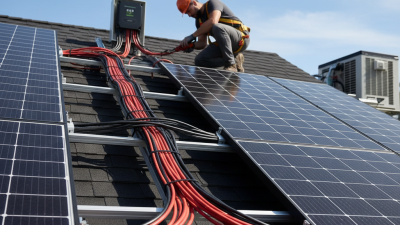
Reflecting on installation challenges is also important. Users often overlook potential obstacles like trees or structures that can shorten effective lengths. The actual installation route can deviate from a straight line. Careful planning can save future headaches and ensure your Solar Power Extension Cable connects efficiently.
Assessing Wire Gauge: Importance for Electrical Performance
When selecting a solar extension cable, one critical factor is the wire gauge. The wire gauge determines the efficiency of electrical flow, impacting overall performance. According to the National Electric Code, a larger wire gauge, such as 8 AWG, can handle higher current loads compared to thinner wires like 14 AWG. This is crucial when connecting solar panels to inverters.
Using the wrong wire gauge could lead to significant energy losses. Reports indicate that using a thinner wire can result in voltage drop, reducing efficiency by up to 10%. For a Solar Panel Extension Cable Wire used over long distances, this loss can be detrimental. Ensuring that the gauge corresponds to your system's amperage and distance is vital.
In some cases, users may overlook the importance of temperature ratings for wire insulation. Higher temperatures can cause insulation to degrade over time. This degradation increases risks of short circuits and safety hazards. Regular assessments of your solar panel extension cable wire can help identify potential issues early on. Balancing between cost and the appropriate gauge ensures optimal performance and safety for your solar energy system.
Evaluating Temperature Ratings for Optimal Cable Performance
When selecting a solar extension cable, temperature ratings play a critical role. Extreme temperatures affect cable performance and longevity. High temperatures can cause insulation to degrade, leading to potential safety hazards. On the other hand, low temperatures may increase resistance, which can hinder power flow. Understanding the environmental conditions your Solar Panel Extension Cable will encounter is essential.
Different materials react uniquely to temperature changes. For instance, Copper Wires perform well under various temperatures but may not be ideal when exposed to intense heat for extended periods. Furthermore, selecting cables with the right insulation type can significantly impact their performance. Consider factors such as heat tolerance and cold flexibility when making your decision.
It’s important to note that not all cables are equal under temperature stress. Reflecting on your local climate helps identify the best fit. A cable that works well in one area might fail in another. Hence, taking time to evaluate all specifications is critical. Avoid rushing the decision to ensure the longevity of your solar panel extension cable and optimize its performance.
Temperature Ratings of Solar Extension Cables
Choosing the Right Connector Type for Compatibility and Safety
When selecting a solar extension cable, ensuring the right connector type is crucial. Different systems require different connectors. Without proper compatibility, you risk system failure or hazards. Research the specifications carefully. Some connectors work well in certain environments but may fail in others.
Tips: Choose connectors designed for outdoor use. Look for weather-resistant materials. They resist UV rays and moisture. This can prevent corrosion and ensure longevity.
Compatibility isn’t just about fitting. It also impacts safety. Mismatched connectors can create overheating risks. Understanding your solar system is essential. Take time to analyze your setup. If unsure, consult experts before making purchases.
Tips: Always check voltage and current ratings. Ensure all connectors support the maximum output. This simple step can prevent electrical hazards. A small oversight may lead to costly mistakes. Prioritize safety and durability in your selection process.
How to Choose the Best Solar Extension Cable for Your Needs?
| Cable Length (m) | Wire Gauge (AWG) | Connector Type | Rated Current (A) | Voltage Rating (V) | Material |
| 5 | 10 | MC4 | 30 | 600 | Copper |
| 10 | 12 | MC4 | 25 | 600 | Copper |
| 15 | 14 | Anderson | 20 | 600 | Copper |
| 20 | 16 | MC4 | 15 | 600 | Aluminum |
Understanding UV and Weather Resistance in Cable Materials
When selecting solar extension cables, the importance of UV and weather resistance cannot be overstated. Cables exposed to sunlight encounter high UV levels, leading to degradation over time. Studies indicate that cables made from ethylene-propylene rubber (EPDM) or thermoplastic elastomers (TPE) exhibit superior UV resistance. They can last up to 30% longer compared to traditional PVC options.
Weather resistance is equally crucial. Temperature fluctuations and moisture can impact the cable's performance and lifespan. A report by the International Electrotechnical Commission (IEC) emphasizes that cables designed for outdoor use must endure extreme weather conditions. Choosing cables rated for high temperature and wet environments can prevent potential failures and safety hazards, which are often overlooked.
Many consumers assume that any cable will suffice. However, inadequate weather resistance can lead to insulation failure. When this happens, the risk of short circuits increases. It's vital to consider the specific environmental factors present in your area. Using cables with proper certifications enhances reliability and performance, addressing a common oversight in cable selection. Balancing cost and durability is often challenging yet essential for investment in solar technology.
Analyzing Cost vs. Quality: Making a Smart Investment in Cables
When investing in solar extension cables, cost and quality are crucial factors. A low price might seem tempting, but it can lead to future problems. Cheaper cables often use inferior materials. This compromises their lifespan and safety. A reliable connection is critical for your solar system's efficiency.
Consider the materials used in cables. Copper is the preferred choice. It offers superior conductivity. Aluminum cables are less expensive but can cause power loss over time. It's important to weigh upfront costs against long-term performance. Sometimes, spending slightly more initially can save you from replacing cables frequently.
Choosing the right cable can be confusing. Look for certifications that ensure quality standards. Pay attention to the gauge of the wire, as it affects overall efficiency. Understand your specific needs before making a decision. A wiser investment can enhance your solar setup's durability. Don't rush the process; careful consideration leads to better choices.
Market Trends and Technical Insights: The Role of CU/XLPE/PVC 25mm2 PVC Sheathed Underground Cables in Electrical Infrastructure Development
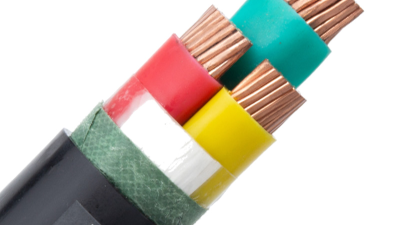
The role of CU/XLPE/PVC 25mm² PVC sheathed underGround Cables is increasingly critical in modern electrical infrastructure development. As urbanization expands and green energy initiatives gain momentum, the demand for reliable, efficient power distribution solutions is at an all-time high. According to industry reports, the underground cable market is projected to grow substantially, driven by the need for durable and safe electrical installations. CU/XLPE/PVC cables are noted for their high-purity conductors, which significantly enhance electrical conductivity and minimize energy loss.
These underground cables are designed to withstand harsh environmental conditions, exhibiting exceptional heat and corrosion resistance. Withstanding temperatures up to 90°C, they are ideal for various applications, including industrial settings and municipal systems where exposure to chemicals is a concern. The robust design provides superior pressure and wear resistance, ensuring longevity and reliability even in demanding underground installations. Various cable sizes are available to meet different power requirements, making them versatile choices for any project.
Moreover, recent data highlights that implementing high-quality underground cables can reduce maintenance costs and enhance system performance, which is particularly valuable in today’s infrastructure projects that prioritize sustainability and efficiency. Stakeholders can request quotes online and benefit from free samples, facilitating informed decisions in selecting the appropriate cable solutions for their specific needs. Emphasizing quality and reliability, CU/XLPE/PVC cables stand as a pivotal component in the evolution of electrical infrastructure.
FAQS
: Measure carefully. Cable length shouldn’t exceed 100 feet to reduce voltage loss.
Longer cables can cause up to 3% voltage drop, affecting system efficiency.
Use thicker gauge wires for longer distances. A 10-gauge cable may not be enough beyond 50 feet.
Trees and structures can shorten effective lengths. Plan your installation route carefully.
Extreme temperatures can degrade insulation and affect cable performance and longevity.
Cables suitable in one climate may fail in another. Always evaluate specifications based on your environment.
Select weather-resistant connectors. They prevent corrosion and ensure safety.
They may cause overheating and system hazards. Ensure compatibility for safety.
Always verify voltage and current ratings to support maximum output safely.
Don’t rush your decision. Overlooking details can lead to costly mistakes in your solar setup.
Conclusion
Choosing the best solar extension cable for your needs involves understanding several important factors. First, it’s essential to recognize the key components and types of solar extension cables available. Determining the required length for the cable is crucial, as it ensures that your solar setup functions efficiently without unnecessary power loss. Additionally, assessing the wire gauge is vital since it impacts electrical performance, especially over long distances.
Moreover, evaluating temperature ratings helps ensure optimal performance under varying weather conditions. It's also important to choose the right connector type to guarantee compatibility and safety within your solar system. Understanding the UV and weather resistance of cable materials is necessary for durability and longevity. Lastly, analyzing the balance between cost and quality will assist you in making a smart investment in solar extension cables, ensuring you select the best option for your specific requirements.